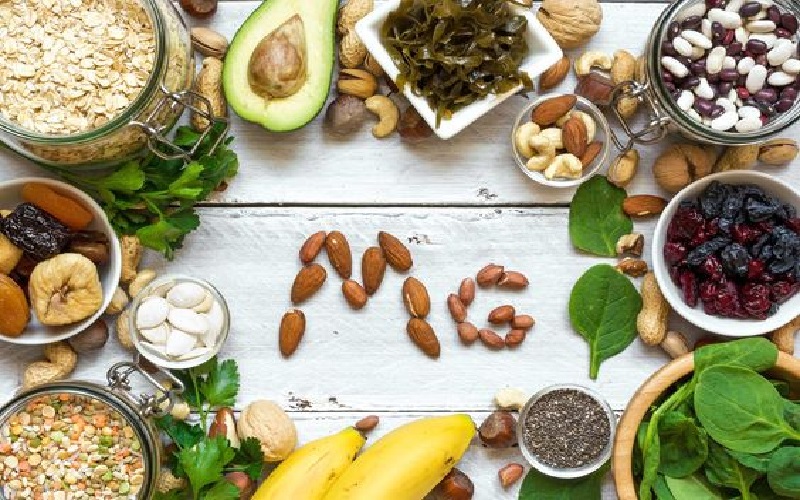
Nutraceuticals are food products that provide medicinal benefits and nutritional value. They are also known as dietary supplements. With the increase in the herbal drug market, they have gained popularity recently. The aim is to promote health. Minimal to no side effects when compared to pharmacological drugs.
Diabetes is a metabolic disorder characterized by hyperglycemia, glycosuria, and hyperlipemia. Nutraceuticals have proven effects in the management of Diabetes Mellitus.
The two types of Diabetes Mellitus are:
Type 1
Type 2
Over 90% of cases are type 2 DM. Nutraceuticals can be effective in the management of type 2 diabetes.
1.Amla
Embelica officinalis (Amla), known as Indian gooseberry, has the potential to manage Diabetes. Chemical constituents of amla that help manage Diabetes are chromium, ascorbic acid, and polyphenols. Amla helps to keep blood sugar levels in check. Chromium is responsible for increasing the body’s sensitivity to insulin. Ascorbic acid, better known as vitamin C, helps manage oxidative stress. Amla can be taken as a fruit, in powdered form, as juice, and as amle ka murabba.

2.Aloe vera
Aloe vera is a medicinal plant. It belongs to the family Liliaceae. The active constituents of aloe vera for managing Diabetes include vitamins (A, C, and E) which are antioxidants. The other constituents are minerals like chromium, magnesium, zinc (which increases the sensitivity of peripheral tissues to insulin), and flavonoids. You can add Aloe vera to smoothies. It can also be taken as juice or added to other dishes.

3.Turmeric
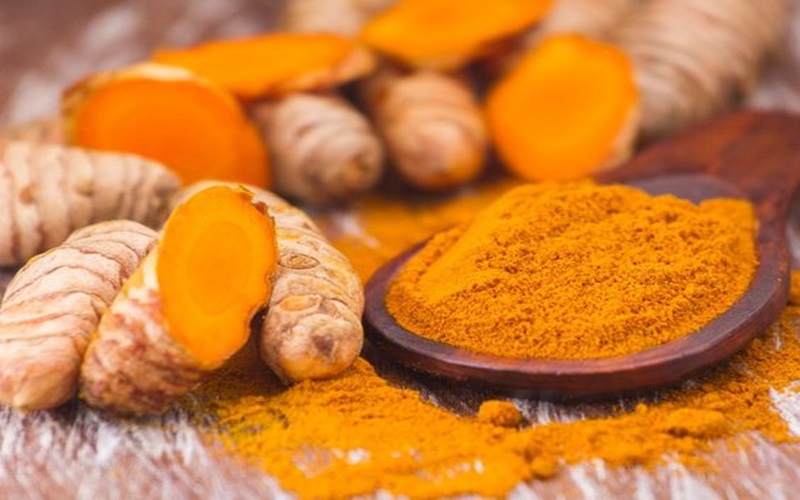
The scientific name of turmeric is Curcuma longa. Curcumin has antioxidant properties and antidiabetic action.
Mechanism of action:
- It Reduces oxidative stress and insulin resistance.
- It Improves the function of beta cells.
- It also helps in preventing diabetes-related complications. You can add turmeric to the milk.
4.Ginger
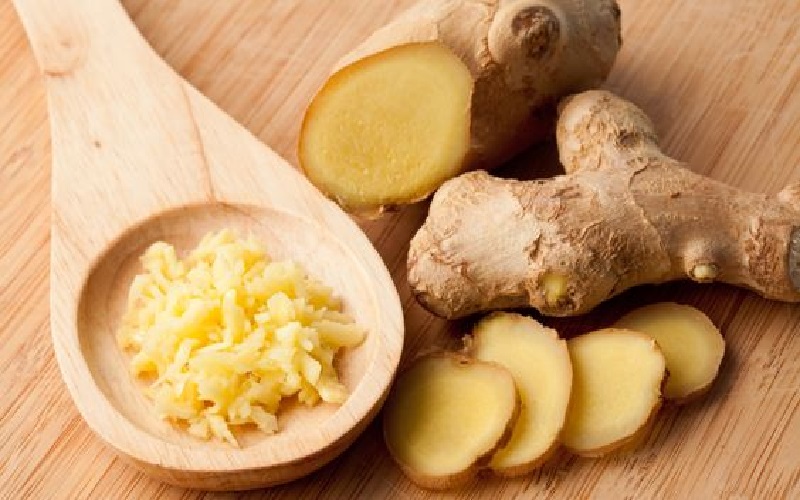
Ginger regulates insulin release and promotes glucose clearance in insulin-sensitive tissues. Gingerol helps increase insulin responsiveness. Thus, it is an effective nutraceutical for the management of Diabetes. You can add it to the milk or herbal tea.
5.Fenugreek (Methi)
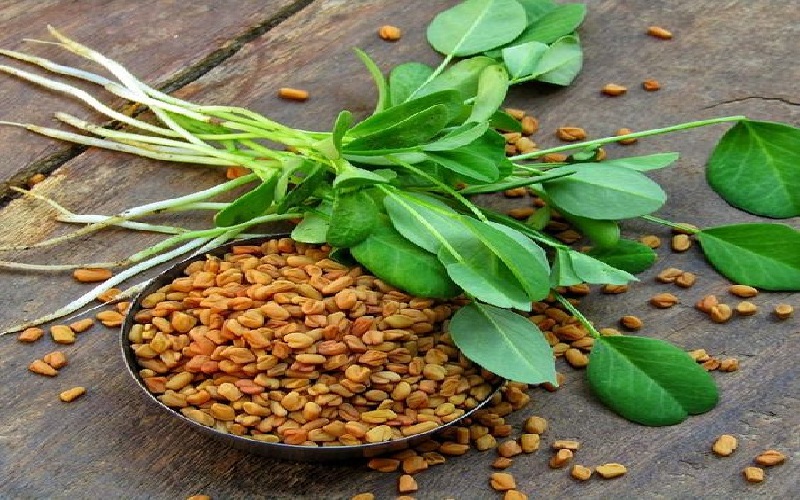
Fenugreek is commonly known as methi. Fenugreek seeds can help in Diabetes by lowering blood sugar levels. Incorporation of fenugreek seeds in your diet will help manage Diabetes. You can take fenugreek water. It is contraindicated in pregnancy.
6.Dietary Fibers From Psyllium
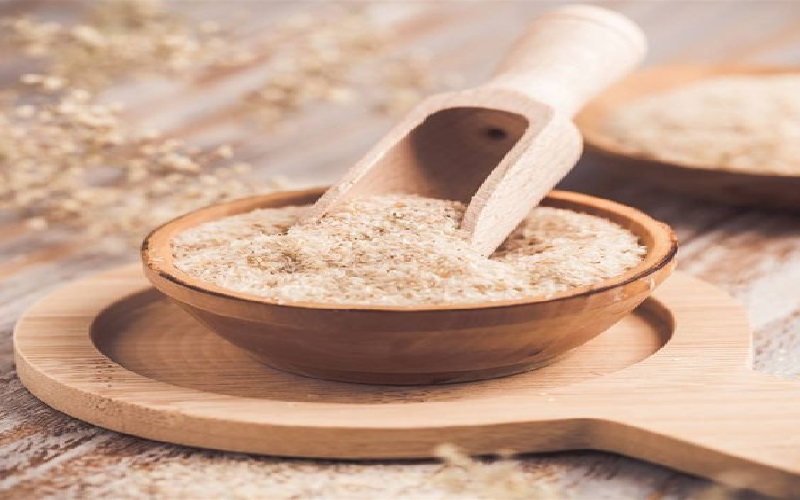
The source of psyllium is a herb called Plantago ovata. It helps to modulate blood sugar levels in diabetic patients. Dietary fibers from psyllium are one of the most effective nutraceuticals for Diabetes. Studies reveal that it is an effective nutraceutical for the management of Diabetes but has no effect on insulin levels.
7.Alfa Alfa
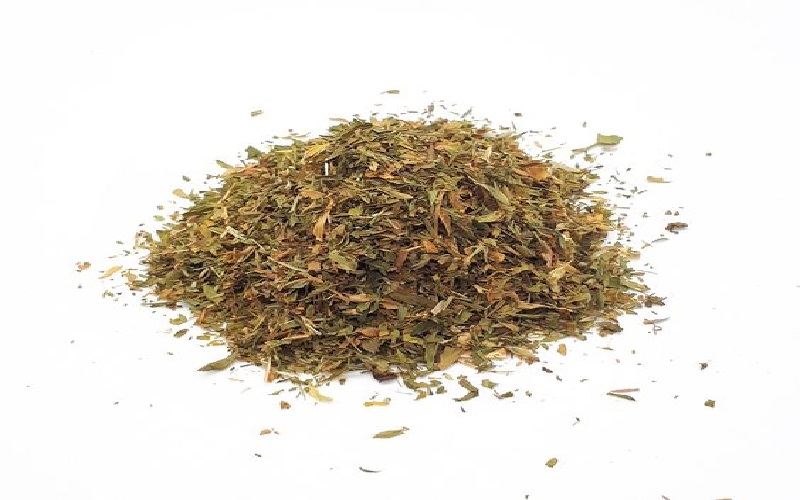
Alfa-Alfa is an herbal drug. It is rich in fiber. It is effective in Diabetes because it helps in regulation of blood sugar levels. One spoonful of alfa alfa powder is dissolved in water for consumption. However, patients should consult the doctor before incorporating it into their daily diet to avoid drug interactions.
8.Polyphenols
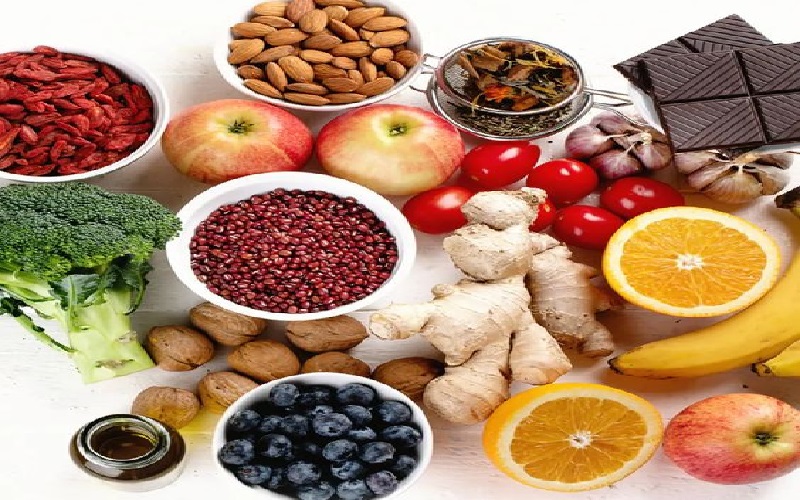
In 90% of cases, patients suffer from Type 2 Diabetes. Polyphenols are a category of nutraceuticals that can help manage type 2 DM and are antioxidants. They are present in tea and coffee. Other foods include olive oil, flax seeds, chestnuts, hazelnuts, and almonds. Stilbenes (peanuts and berries) are also rich in polyphenols.
9.Polyunsaturated Fatty Acids
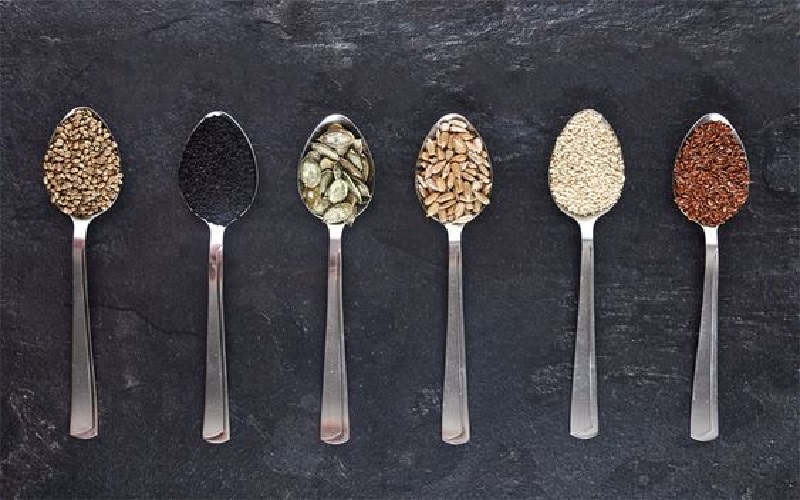
PUFA helps in increasing insulin sensitivity. Polyunsaturated fatty acid-rich foods include walnuts, sunflower seeds, and vegetable oils (soyabean oil). Others include fish like salmon and trout. Thus, PUFA is a blessing in disguise for diabetic patients.
10.Lipoeic Acid
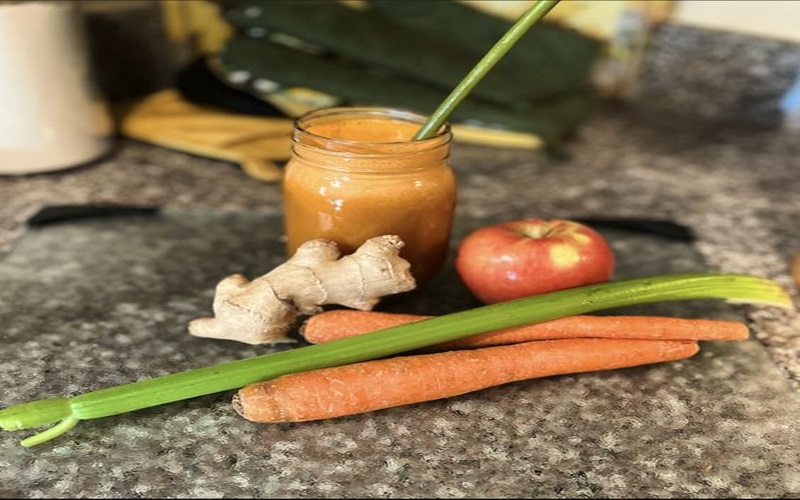
It is an antioxidant. It can be used as a long-term dietary supplement aimed at the prophylactic treatment. Foods rich in lipoeic acid are brussels sprouts, broccoli, red meat, carrots, and spinach. It can be beneficial in diabetic neuropathy. You can buy it as a dietary supplement.
11.Ginseng
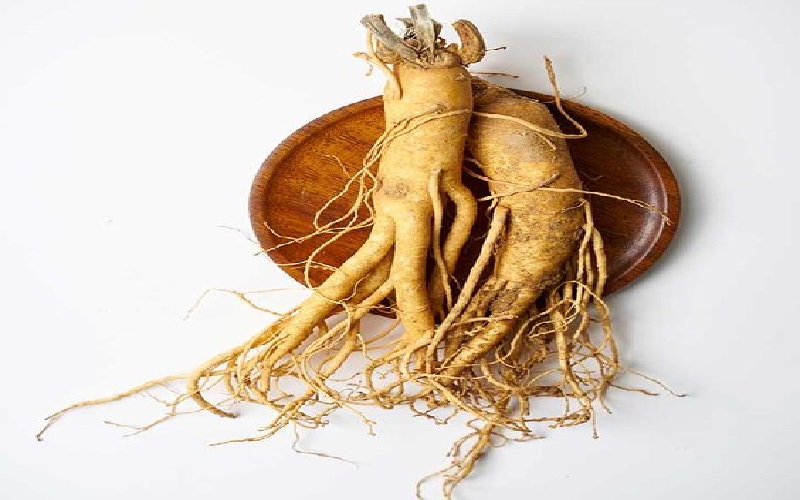
Ginseng is an herb that belongs to the species of Panax. Dietary supplements are also available. Ginsenosides are the active constituents responsible for anti-diabetic action. It also has additional antioxidant activity. It helps with Diabetes by regulating insulin secretion and enhancing blood sugar uptake by peripheral tissues. You can add ginseng to herbal tea or soups.
12.Bitter Melon Extract
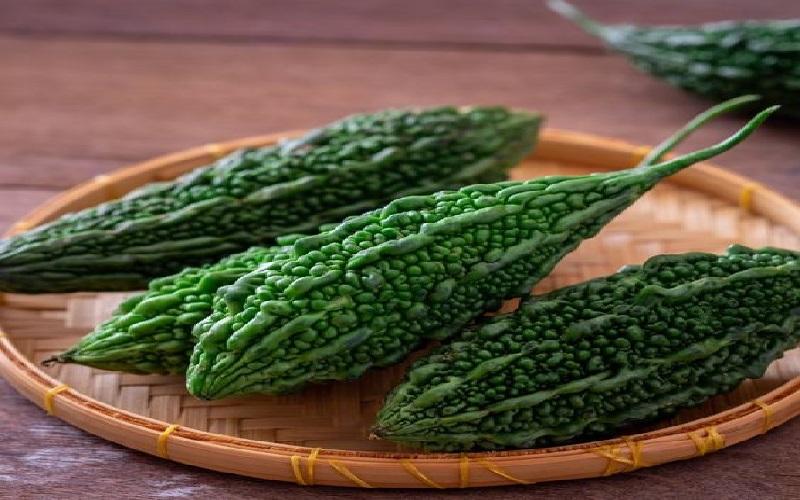
Momordica charantia is also known as bitter gourd. It belongs to the family Cucurbitaceae. The Bitter melon extract is another nutraceutical used for the management of Diabetes. It helps in reducing blood sugar levels. Over-the-counter supplements are available. You can take Bitter melon juice as well.
13.Cinnamon
Cinnamon is an aromatic condiment in nature. Studies have reported that cinnamon can help to achieve better blood sugar levels. You can boil it in water for the nutritional benefits. Cinnamon supplements are also available in the market. Adding cinnamon to your daily diet can help in the management of Diabetes.

14.Barley
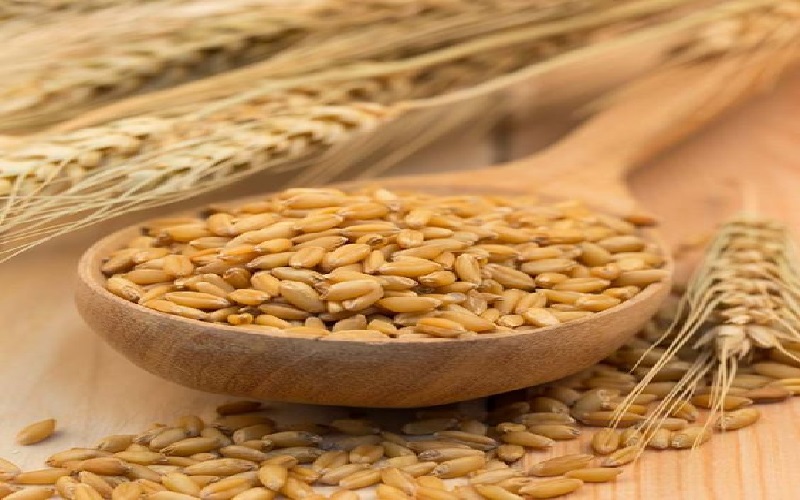
Barley-like oats are a rich source of beta-glucan. Beta-glucan can be helpful in the management of Diabetes. Incorporation of oats into your breakfast can be beneficial. Recipes where barley is added to are barley khichdi, barley soup, and porridge.
15.Chromium Picolinate
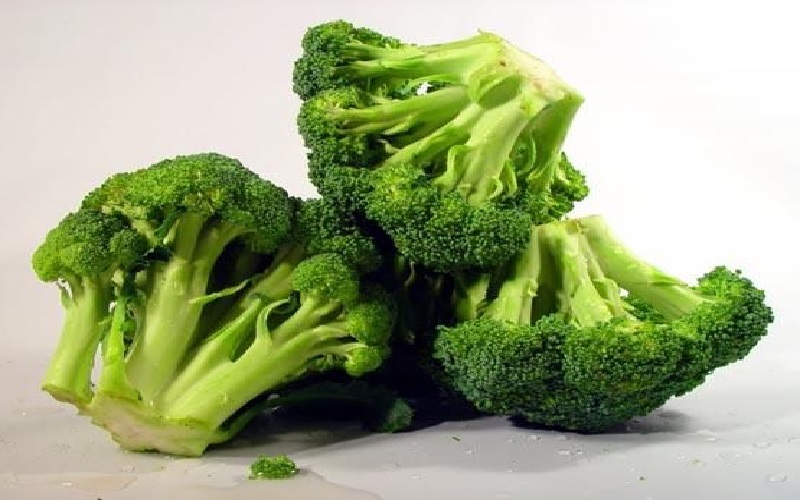
Mechanism of action of chromium picolinate: It increases the insulin sensitivity of the insulin receptors. Studies show its effectiveness in the management of DM. Sources of chromium picolinate are broccoli, apples, grapes, green beans, whole-wheat flour, and orange juice.
16.Calcium And Vitamin D
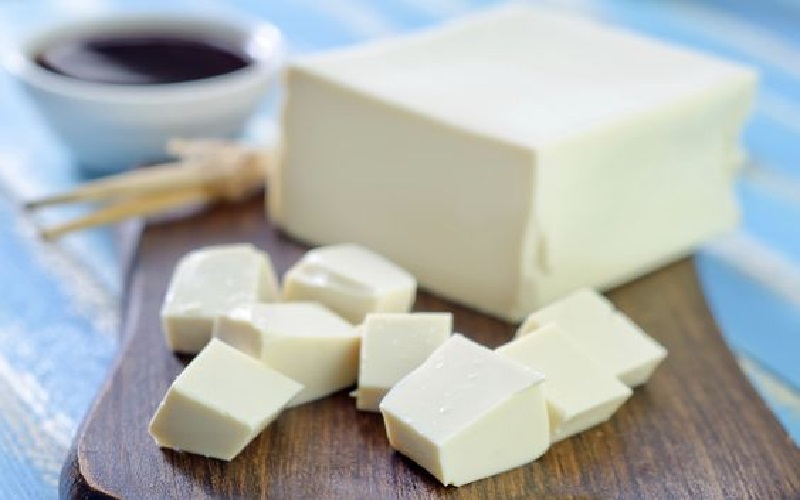
Calcium and vitamin D are responsible for the metabolism of glucose. A calcium and vitamin D-rich diet will help with Diabetes. You can eat spinach, kale, broccoli, almonds, chia seeds, tofu, sardines, and plain yogurt.
17.Saffron
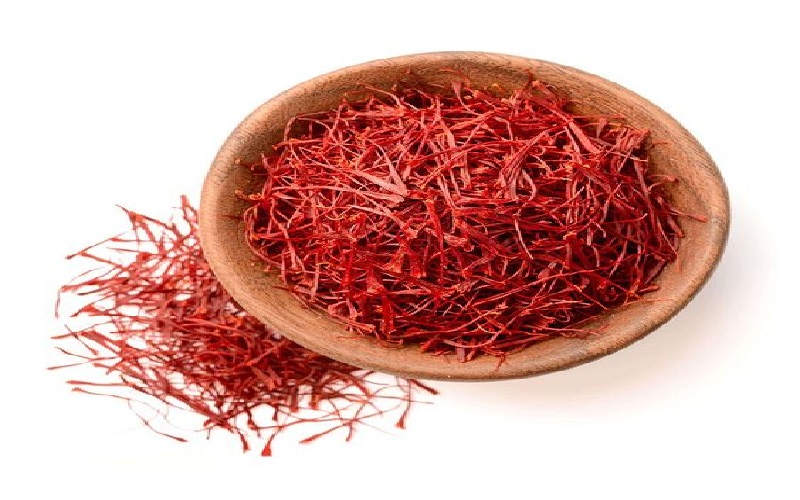
Saffron is responsible for reduction in FPG and HbA1c levels. It helps in glycemic control. Over-the-counter supplements are available. Patients should consult with the doctor before incorporating saffron into their diet to avoid drug-drug interactions.
18.Garlic
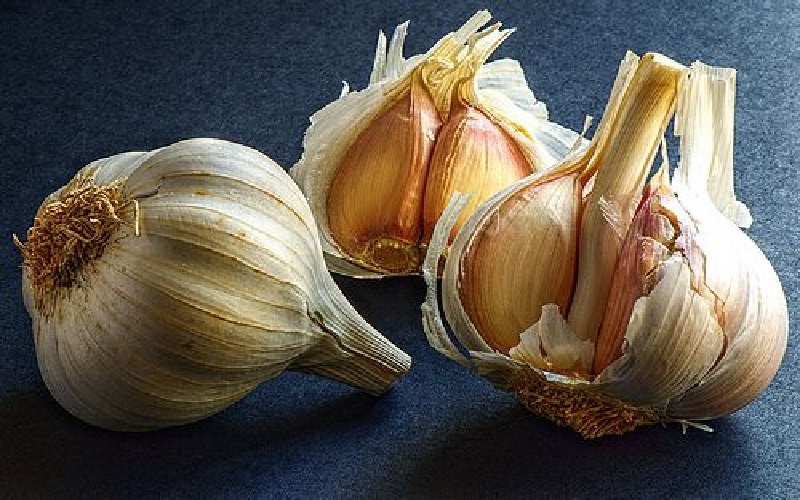
Allium sativum is the scientific name of garlic. It belongs to the family Liliaceae. It helps diabetic patients by reducing high sugar levels. You can consume garlic in raw form or added to herbal tea or soup. Some people can experience gastrointestinal discomfort after consuming raw garlic.
19.Vitamin B6
Pyridoxine is also known as Vitamin B6. Foods that provide this vitamin are chicken, beans, avocado, and seeds (sunflower seeds and sesame seeds). Deficiency of Vitamin B6 could be one of the triggers for Diabetes. Besides the mentioned foods, you can use dietary supplements.

20.Magnesium-Rich Food
Good magnesium levels are responsible for increasing the insulin sensitivity of the receptors, thereby reducing the risk of Diabetes. Magnesium-rich foods include green leafy vegetables (spinach, collard greens, etc.), nuts, avocados, and legumes.