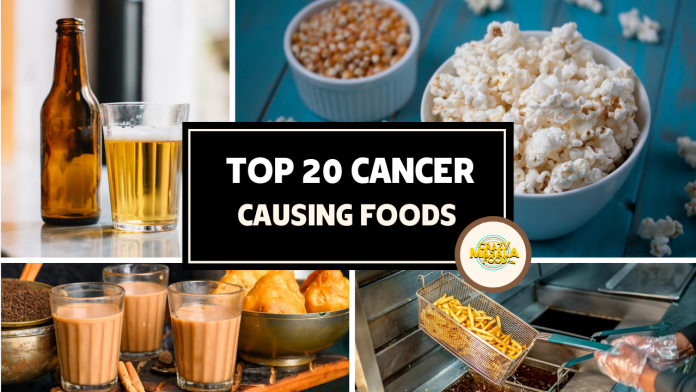
One of the essential, factors is diet because some foods are associated with higher cancer risk. The best advice is to keep your diet balanced, low in fat, and rich in dietary fiber, fruits, and vegetables. Plant-based is proven to reduce the risk of causing cancer and other diseases. But it isn’t easy to always stick to only vegetables, whole grains, and fruits. Choose the food for your cheat day carefully, and avoid these twenty worst foods for cancer risk.
📋 Quick Navigation
1. Processed Meat
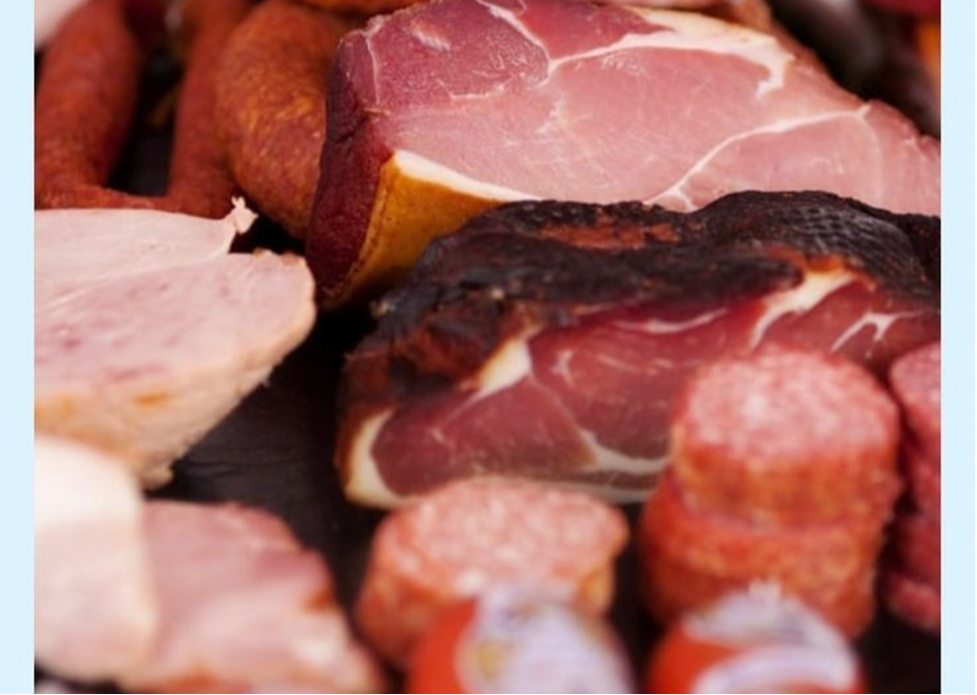
The most common method of preserving processed meat is smoking, salting, curing, or canning. Most processed meats are red meats. Some examples of processed red meat include hot dogs, salami, sausage, ham, and corn beef. The method used to make processed meats can create carcinogens. Smoking and cooking meat at a high temperature can generate carcinogenic amines.
2. Alcohol
Alcohol is the leading risk factor for liver cancer. Acetaldehyde promotes DNA damage and oxidative stress. It also interferes with the immune function, making it difficult for the body to target and destroy the cancerous cell. Alcohol consumption may increase the risk of oral and esophageal cancer.
3. Scalding beverages
Consumption of drinks such as tea, chocolate, and coffee when scalding hot is associated with an increased risk of esophageal cancer.

4. Salt preserved food items
Eating large amounts of salted food, such as salt-preserved fish, may increase the risk of heart disease and stomach cancer. The presence of salt or carcinogens derived from nitrites in many preserved food can cause cancer. Salty foods might increase the risk of Helicobacter pylori infection, cause of stomach cancer.

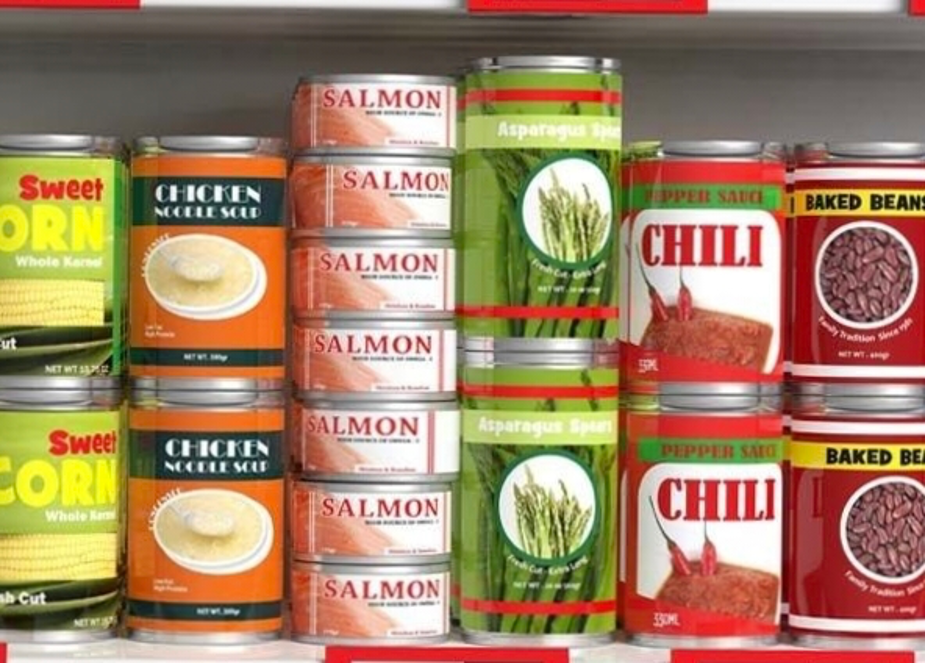
5. Canned foods
The BPA in some canned foods packaging can cause breast, prostate, and ovarian cancer. A recent study found that the people who ate more canned foods had higher levels of BPA in their urine. Eating large amounts of pickled vegetable increase the risk of stomach cancer.
6. Fried Foods.
When high-carb food like potatoes and pasta is cooked at high temperatures, like when frying, baking, roasting, or toasting, a compound called acrylamide forms. Fried foods are exceptionally high in acrylamide. Fried potato products like finger chips and mashed potato fries increase the risk of type 2 diabetes and obesity.

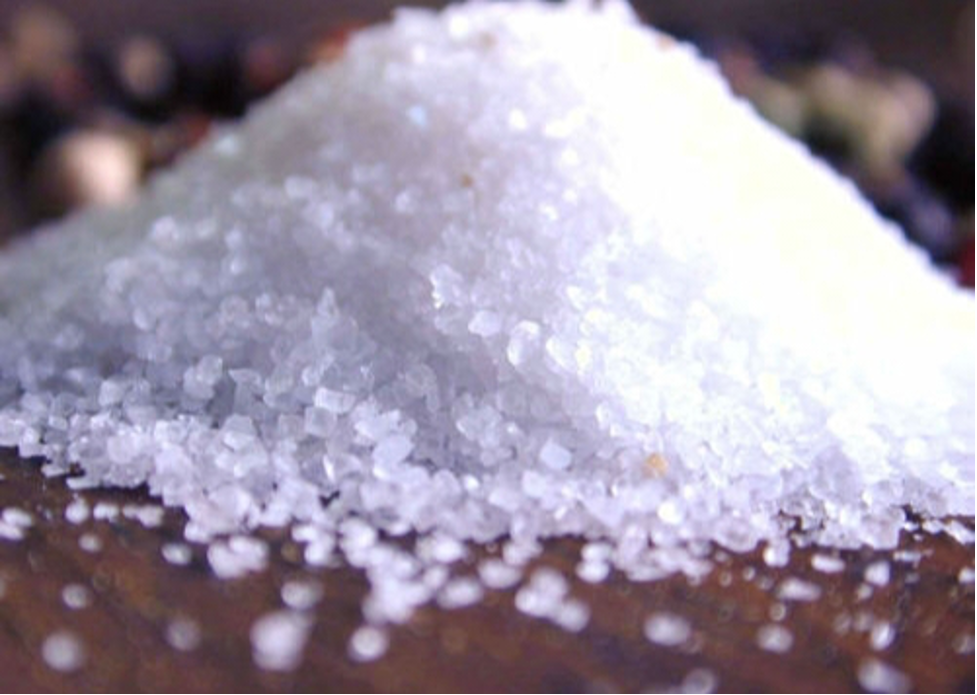
7. Refined Sugar
Refined sugar does not have any nutrients and is very high in calories. Overeating refined sugar can affect cancer cells. Sugar nourishes tumors and encourages cancer cells to grow. Sugar is also dangerous for people who have diabetes.
8. Carbonated Drinks
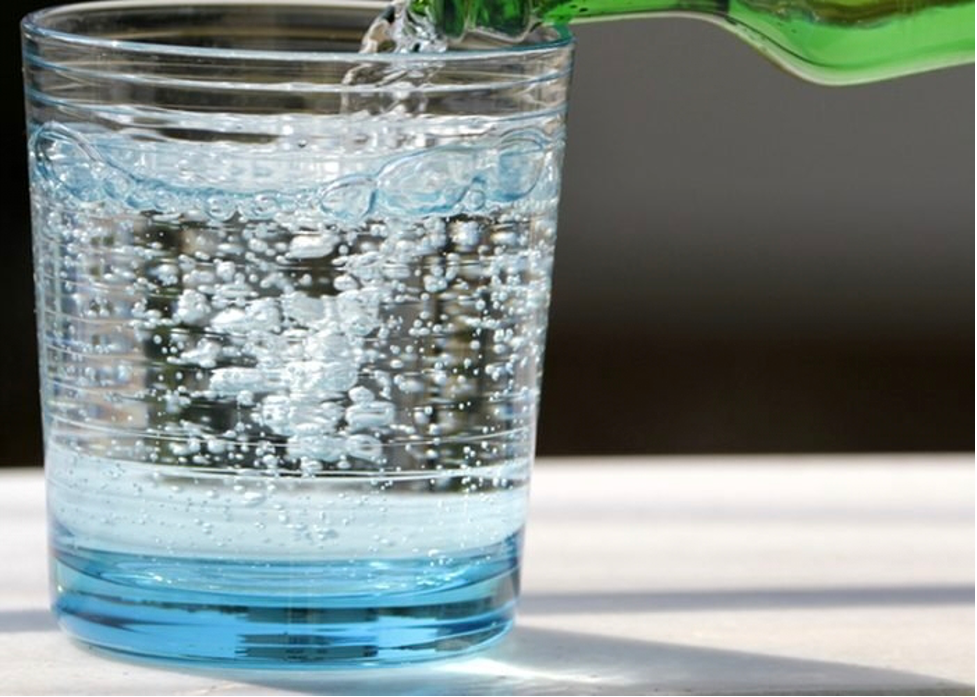
Carbonated drinks give that refreshing taste caused by sugar, colors, and chemicals that add acid to the body. All of these can encourage the growth of cancer cells. A type of sugar in these drinks is fructose, which can cause pancreatic cancer. Drinking many soft drinks, which are very high in sugar, is harmful. It can lead to weight gain.
9. Microwave popcorn
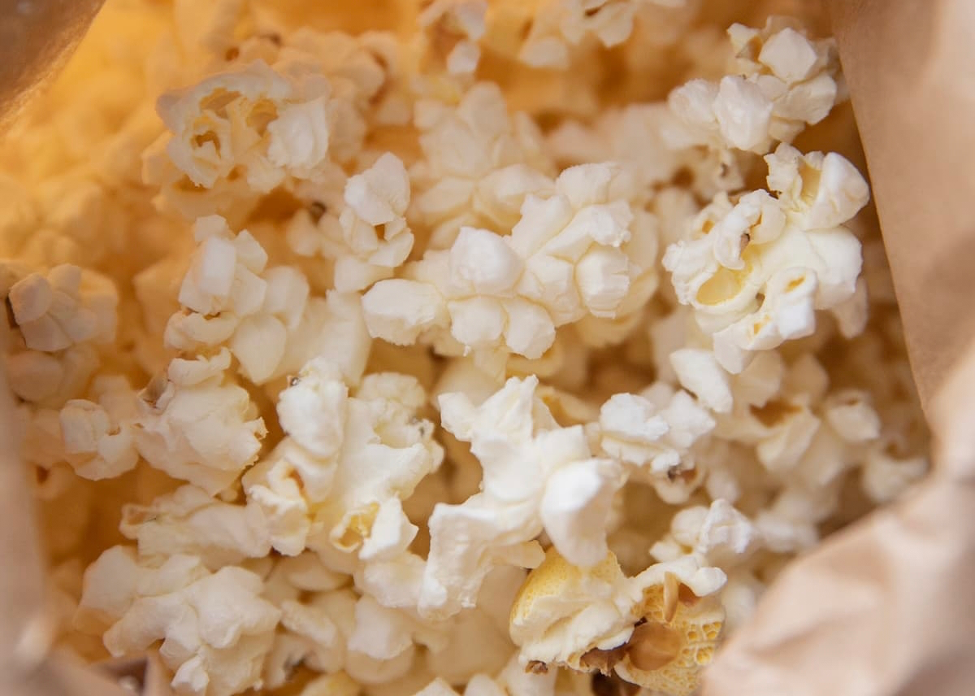
Popcorn is a healthy snack containing potassium, fiber, and iron. But the chemical in the microwavable bag decomposes and forms a compound linked with liver and pancreatic cancer. When you heat the bagged popcorn, the chemicals enter the popcorn.
10. Dirty Fruits
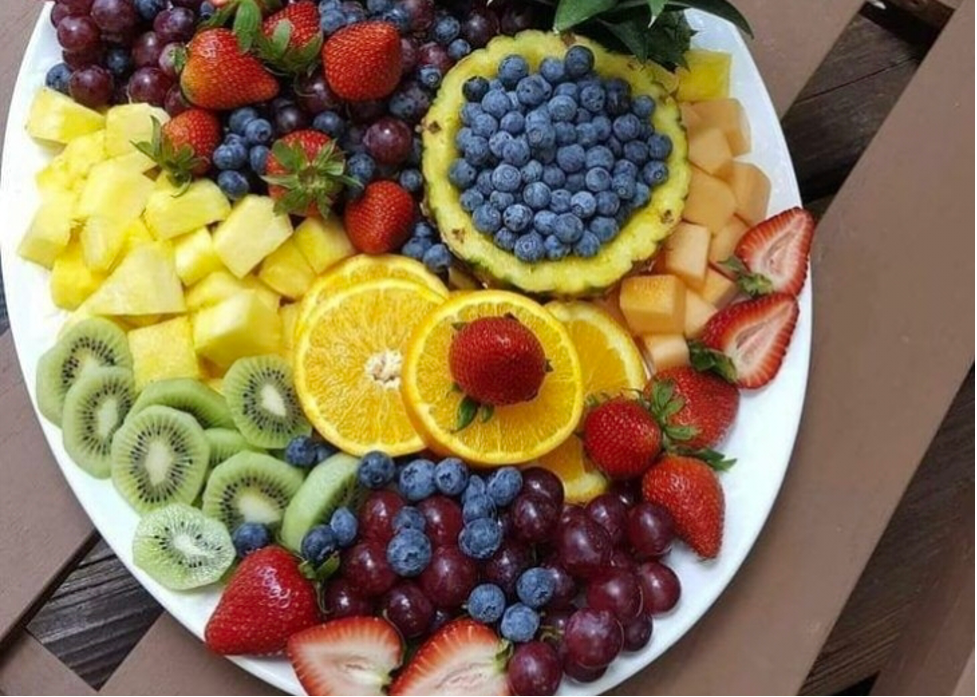
Fruits undergo a spray of pesticides, herbicides, and GMO seeds in the fields. All these chemicals are risky for your health because they have carcinogens. Many of these pesticides can cause cancer. Apple, peaches, grapes, and strawberries contain the highest concentration of pesticides.
11. Potato Snacks
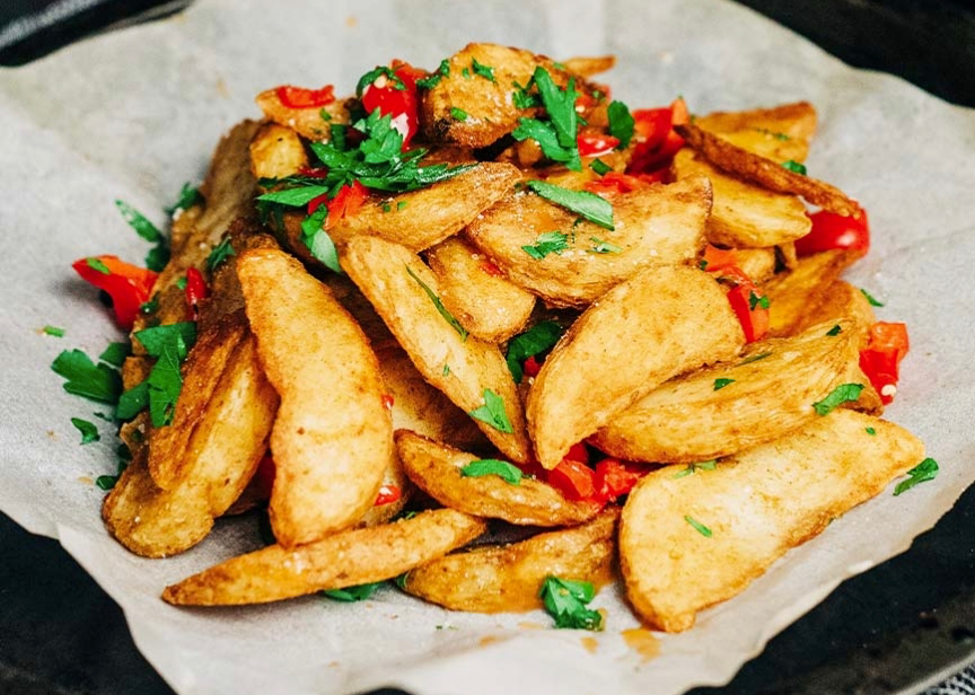
Potato snacks such as chips and French fries lead to the formation of a cancer-causing chemical. The chemicals melamine and acrylamide are present in plastics and paper-making. French fries are cancer-causing too. Avoid them while they are hot.
12. Hydrogenated Oil
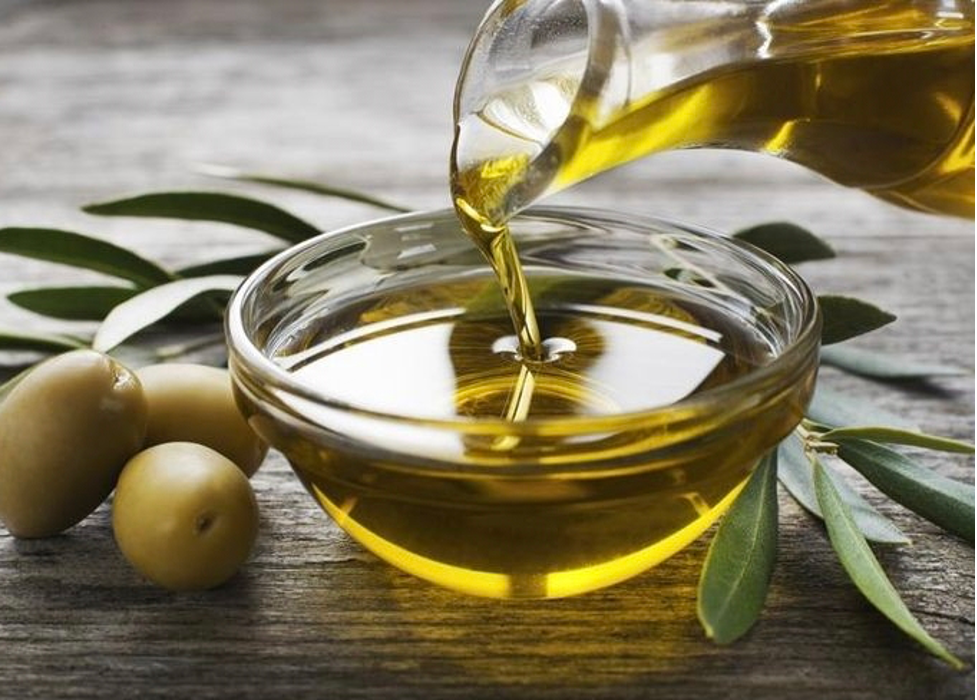
Liquid oil that is chemically processed to convert it into a solid is called hydrogenated oil. Use to increase the food’s shelf life. When absorbed, they alter the structures of the human cell membrane. Trans fat is the main cause of breast cancer in women. Baked foods and deep-fried foods contain high levels of trans fat.
13. Refined flour
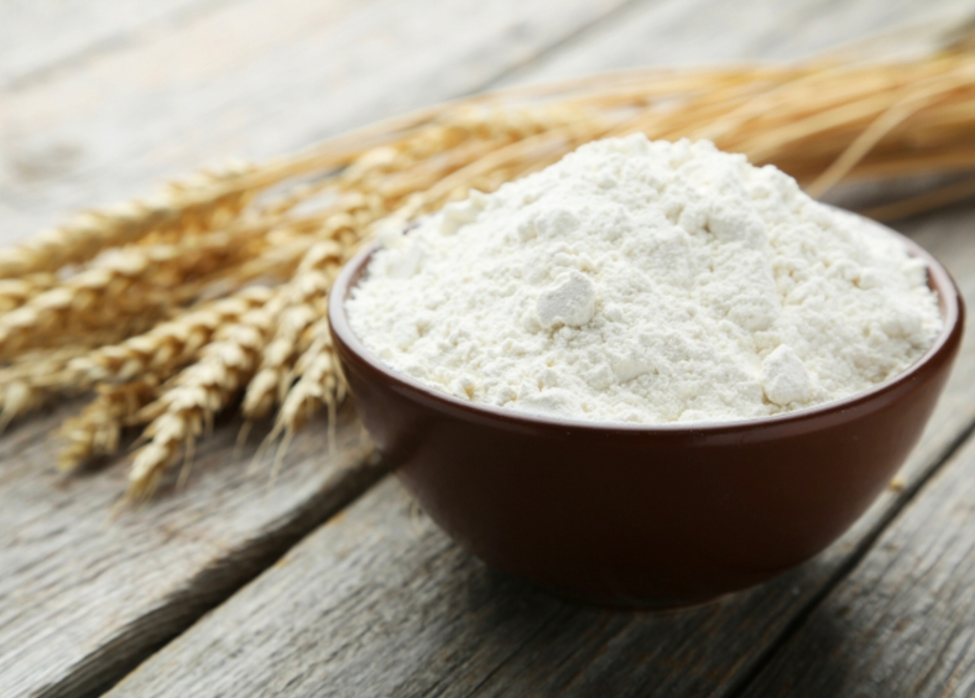
Refined or white flour is raw flour that is low in nutrients. This type of flour undergoes bleaching by chlorine gas. White flour is also high on glycemic index meaning blood sugar and insulin levels spike after eating. It slows down the digestive system and leads to weight gain.
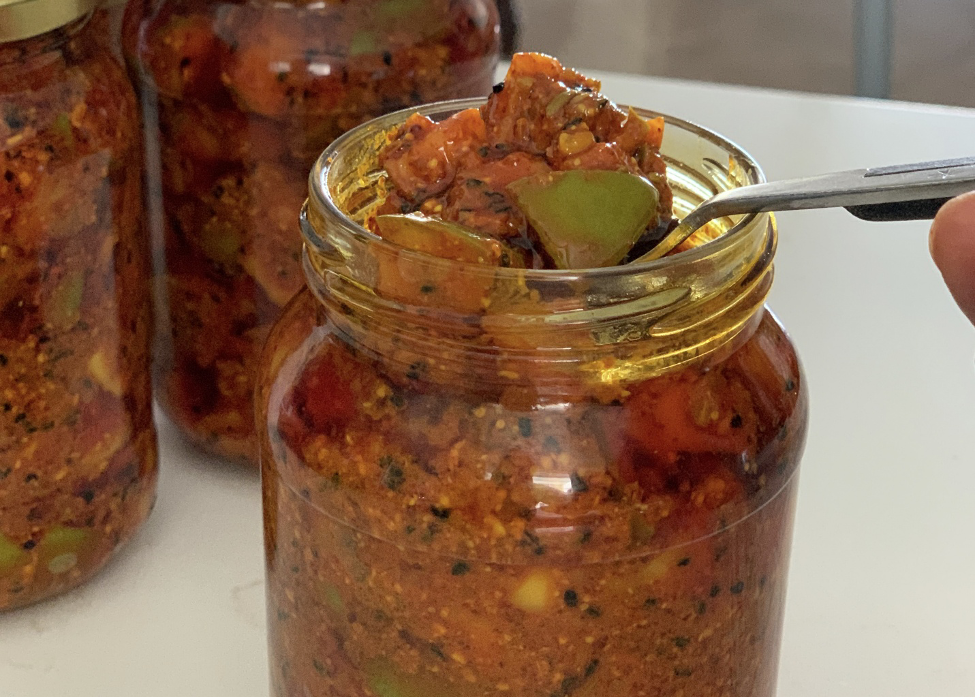
14. Pickle
Pickles went through the pickling process of fermentation in salt, vinegar, and seasoning. They contain good probiotics. However, they also have too much sodium, which causes relish linked to stomach cancer. Doctors found out gastric cancer patients ate a lot of pickles than cancer-free patients.
15. Artificial Sweeteners
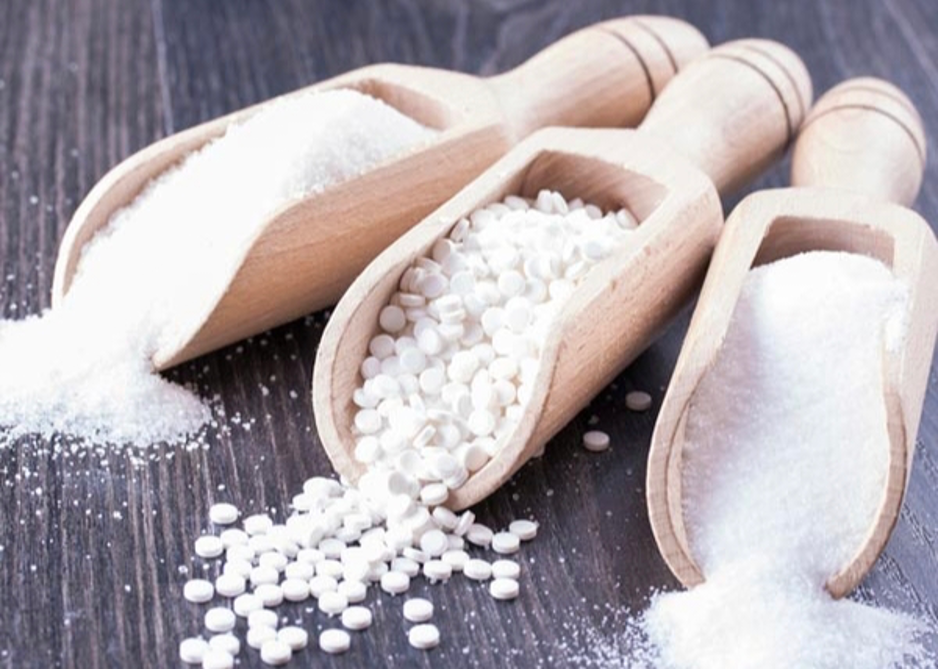
High doses of artificial sweeteners can cause cancer. In 2005, a study showed that rats that consumed aspartame, a popular artificial sweetener developed lymphoma and leukemia.
16. Diet Products
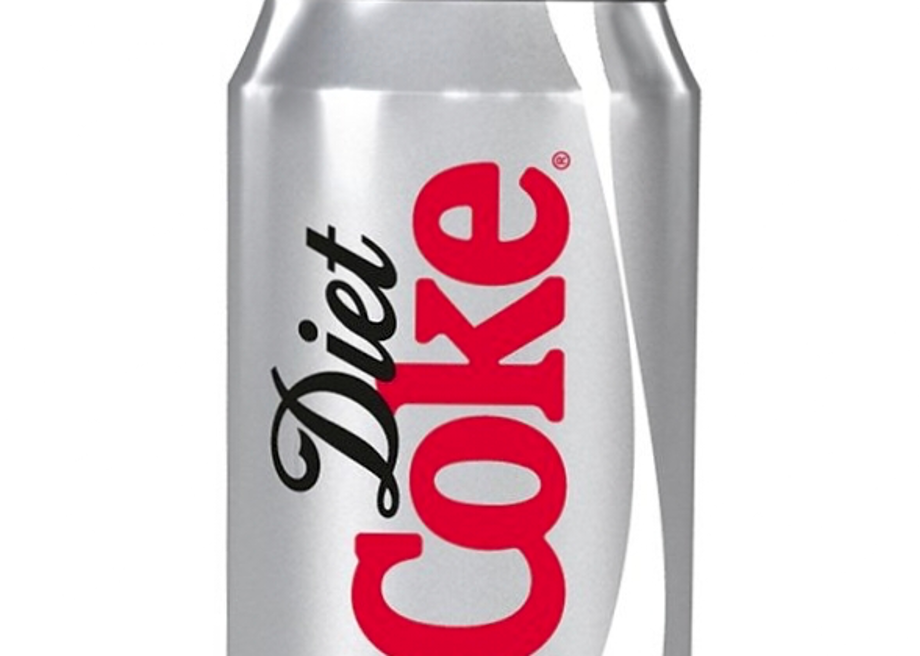
Diet products such as juices and snacks have high levels of sodium, artificial flavors, and artificial colors to make them more appealing, which can cause cancer. Chemicals in diet products can cause several diseases, such as heart stroke, kidney problems, and heart stroke.
17. White bread
It has no nutrients in it. Overeating white bread can lead to weight gain, heart disease, and diabetes.

18. Smoked food
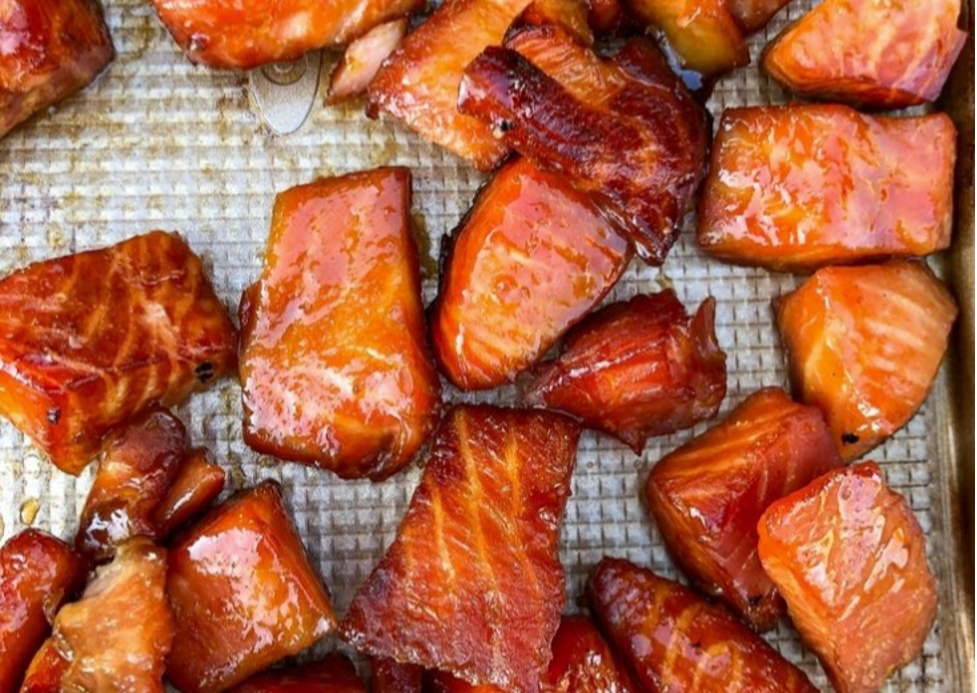
Smoking the fish means that toxins present in the fuel will transfer to the food. Smoking increases the flavor of the food but also increases your risk of heart disease. Grilling and smoking lead to a higher level of contamination.
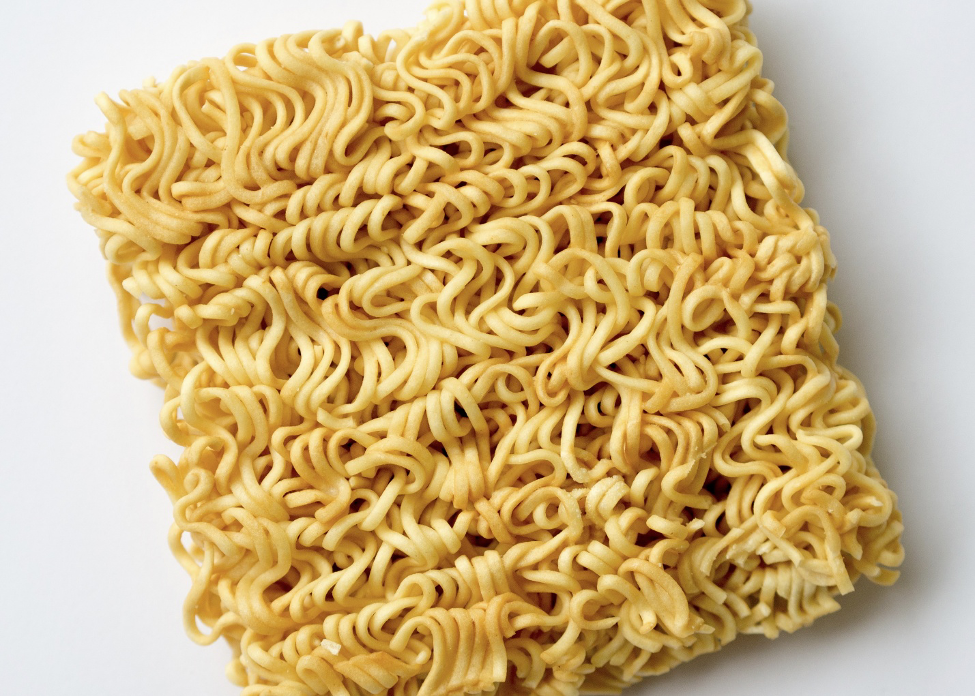
19. Instant food
Instant food contains saturated fat, which can increase the level of cholesterol in your blood. Too much- saturated fat can increase the risk of heart disease, high blood pressure, kidney stones, and stomach cancer.
20. Artificial colors
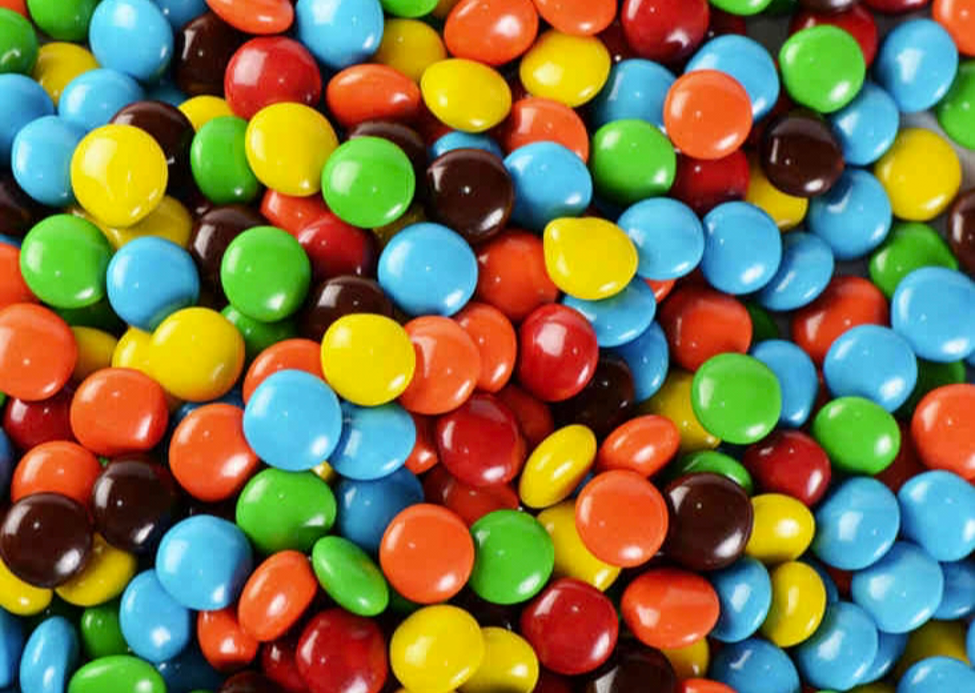
Artificial colors contain benzidine or other carcinogens and can cause hypersensitivity reactions. The most commonly used dye in the world is red. The use of artificial blue color been banned in some countries because of the potential harm. These food dyes affect memory and learning. A high dosage of artificial colors increases the risk of organ damage, cancer, and congenital disabilities.