Hyperthyroidism is a common medical issue in which our thyroid gland produces thyroid hormone in excessive amounts. Some people call it as an overactive or hyperactive thyroid. It requires a medical diagnosis. Symptoms of this condition are unexplained weight loss, frequent bowel movements, muscle weakness, anxiety, sweating and sleeping difficulty. In this article, we will talk about how our diet can affect this condition and list out foods to avoid if you have thyroid. Let’s see why we should be clear enough what to eat and what to avoid to help prevent the consequences. Here is a list of the top 20 food items to avoid if you’re a thyroid patient.
1.Foods With Soy
Soy contains a compound called isoflavones. Isoflavones are known to have potential adverse effects on the thyroid gland. Although they are not strictly risky some research does suggest that eating soy interferes with your ability to absorb the medicines of thyroid issues. For that reason, doctors suggest to wait for four to five hours after eating soy-based foods and then take your regular medication dose.

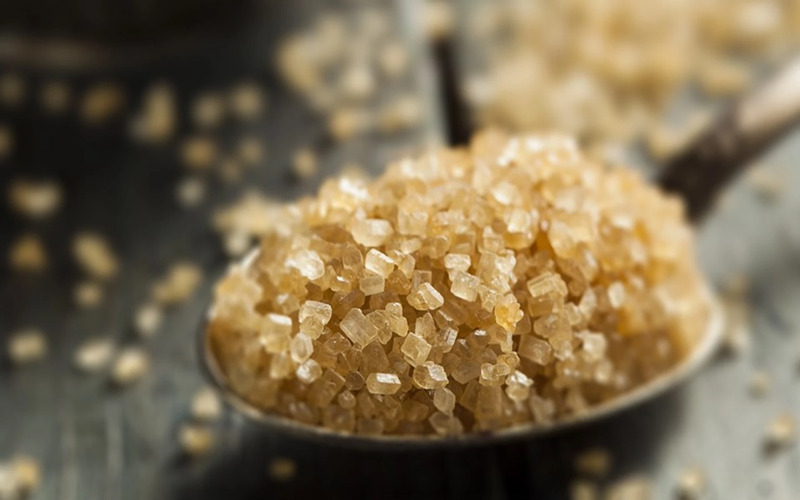
2.Rich Sugar
People need to avoid foods with excess amounts of sugar because it’s a gift in the form of lots of unnecessary calories but no nutritional value. Untreated or under treated hypothyroidism slows down the metabolism so it becomes difficult to digest sugar. Reduce it or eliminate it entirely from your diet to live a healthy life.
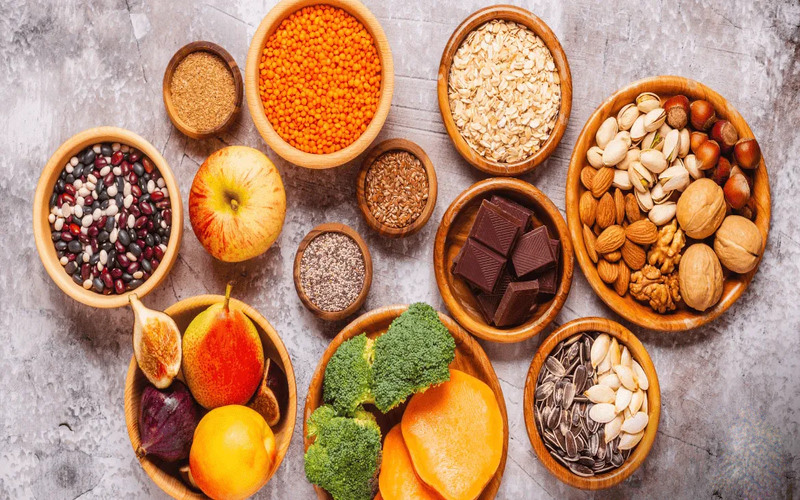
3.Excess Fiber
Too much fiber can complicate your hypothyroidism treatment. Most adults should take in 25-38 grams (g) of fiber a day. Content above that level affects your digestive system and interferes with absorption of the drugs involved in the treatment. Therefore, excess fiber must be avoided by thyroid patients.
4.Fatty Food
Fat disrupts the body’s ability to absorb the thyroid hormone and may also interfere with the thyroid’s ability to produce hormones. Some dietitians do recommend that not only people suffering from various diseases but even the healthy beings should eliminate fried foods and reduce their intake of fats from sources such as butter and fatty cuts of meat.

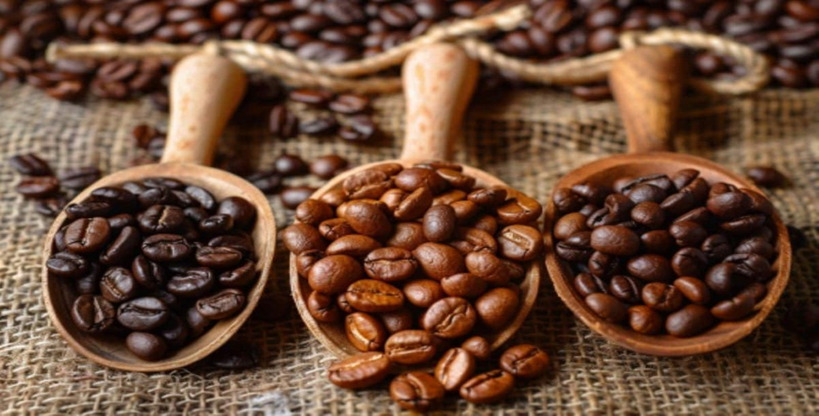
5.Coffee
Caffeine is known to create trouble with the absorption of thyroid hormone. It triggers the entire process and introduces difficulties. In a research, people who took morning coffee were found out to have uncontrollable thyroid levels which was dangerous. Which is why it is advised to either avoid or change the timings of taking coffee.
6.Alcohol
Caffeine blocks the absorption of thyroid hormone replacement. It triggers the entire process and introduces difficulties. People who take morning coffee were found out to have uncontrollable thyroid levels which was dangerous. Which is why it is advised to either avoid or change the timings of taking coffee.

7.Iodine-rich Foods
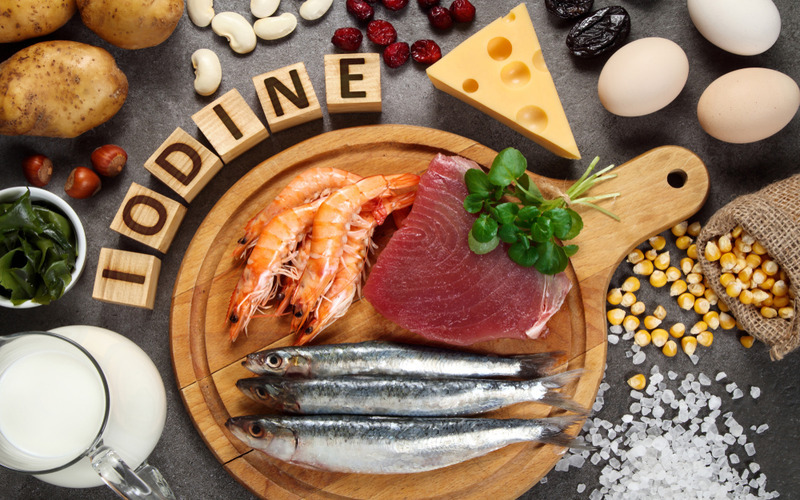
The amount of iodine is directly proportional to the amount of thyroid hormone. It is said that iodine catalyse the process of formation of thyroid hormone. A person with thyroid issues should avoid eating excessive amounts of iodine-rich food. Food products containing red dye and egg yolks are rich in iodine. Also, certain dairy products and iodine supplements are known to be harmful for thyroid patients.
8.Gluten
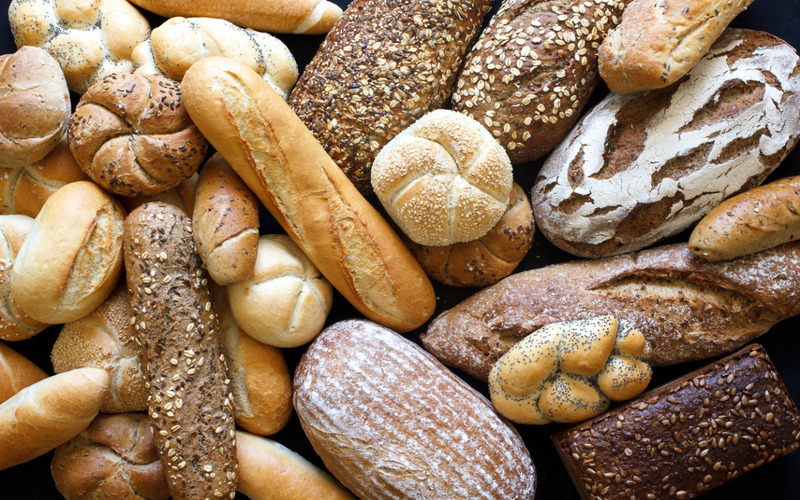
According to few researchers, people who have issues with gluten digestion are more prone to the risks of suffering from Thyroid issues. The reason for this is not properly known but genetics may play a role. Some recent research suggests that following a gluten-free diet may catalyse better absorption of thyroid medications by the intestine and decrease inflammation.
9.Ultra Processed Food
People with hypothyroidism are supposed to avoid food items such as ultra-processed foods, foods and drinks high in sugar, and fried foods that contribute to oxidative stress and inflammation of various glands, such as ultra-processed foods, foods and drinks high in sugar, and fried foods. Not only such food items trigger the inflammation of certain glands, diet high in these foods is directly proportional to overweight issues so these products should be cut from the diet to help people maintain a healthy body weight.

10.Goitrogens
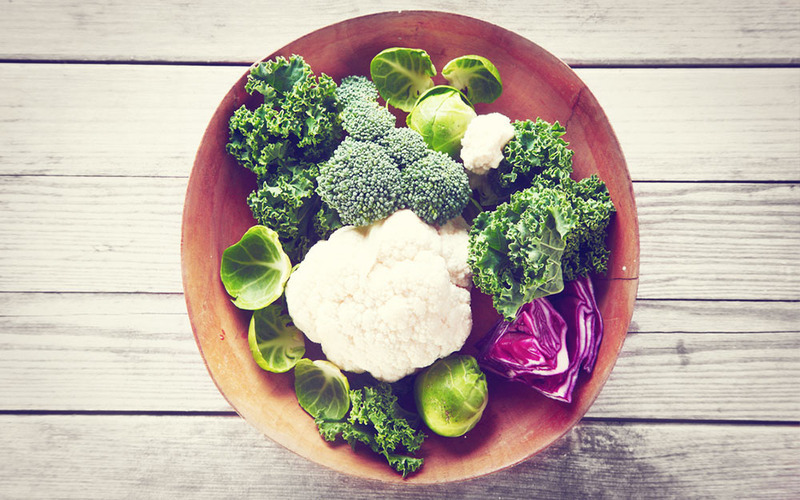
Goitrogens are substances found in cruciferous vegetables, such as cabbage and sprouts and it can interfere with the production of thyroid hormone. Normal people as well as thyroid patients can enjoy moderate amounts of goitrogenic foods as it would not affect their thyroid issues. Therefore, it’s a good idea to avoid consuming large quantities of goitrogenic food.
11.Processed Meat
Processed meats contain artificial preservatives and that causes inflammation of the glands and affects the thyroid patients. Processed meat is dangerous in the long run as our body is not a trash can for unhealthy food. The human body genuinely needs fresh and healthy input to produce similar output. Therefore, processed meat must be avoided to discard the harmful consequences of it. Avoiding it will save us from various harmful diseases and help us lead a healthy lifestyle.

12.Fast Food
High in unhealthy fats, sodium, and sugars, fast food contributes to inflammation of various glands and metabolic imbalances. Doctors always suggest that we should keep a check on how much junk we consume. Ideally junk food should be totally avoided to live a healthy life. Thyroid doctors so believe that a good portion of the symptoms in their patients are because of overconsumption of junk food items.

13.Artificial Sweeteners
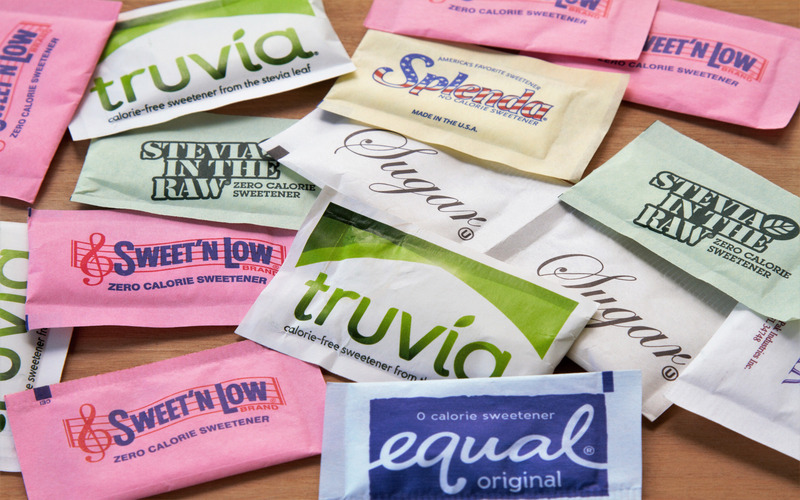
Some studies suggest that artificial sweeteners might interfere with thyroid function, so it’s best to use them sparingly. Many researchers have found an increased risk of thyroid cancer with in patients who were using good amount of artificial sweeteners in their food. Use of artificial sweeteners is found to be directly related with elevated levels of thyroid stimulating hormone (TSH)and increased TSH levels are considered indicative of hypothyroidism.
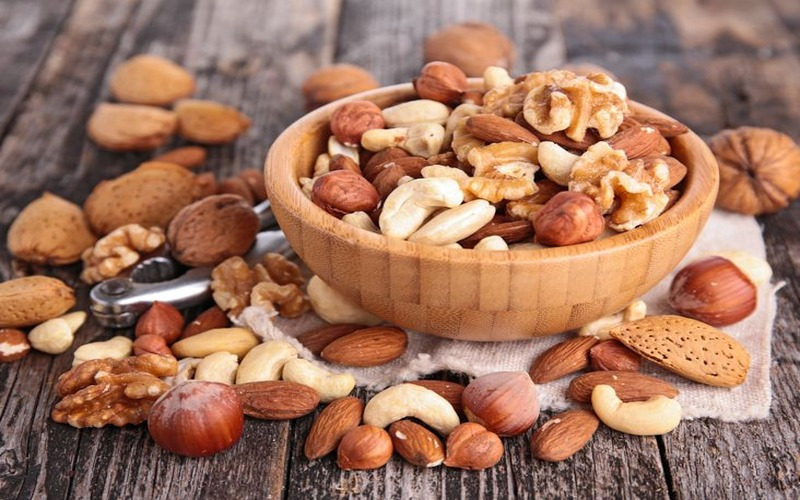
14.Nuts
Nuts should be avoided in hypothyroidism. People who have hypothyroidism should avoid eating a lot of nuts like millet, peanuts, or pine nuts. Nuts can be consumed but in a limited quantity. Over consumption can lead to many risky consequences.
15.Certain Fishes
Certain fishes are high in mercury, which can affect how the thyroid gland function. Fishes like swordfish and mackerel are harmful for the thyroid patients as they are high in mercury, and they affect the thyroid gland. Before the consumption, it should be checked if the given fish is good for the patients or not.

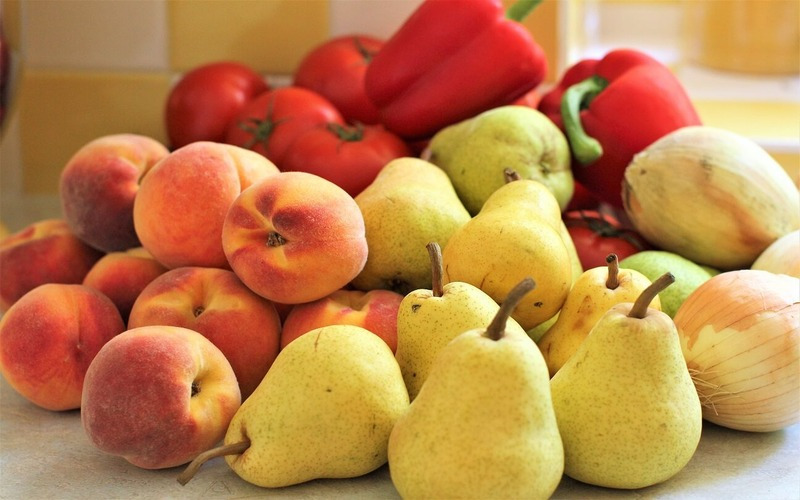
16.Peaches And Pears
Peaches and pears are recommended to be avoided in the context of the diet of thyroid patients because they are considered as goitrogenic foods. Goitrogens are known for blocking the absorption of iodine(which is necessary for the production of thyroid hormone)by the thyroid gland and therefore blocks the production of thyroid hormone. This can potentially increase thyroid issues and create problems, especially if consumed in large quantities.
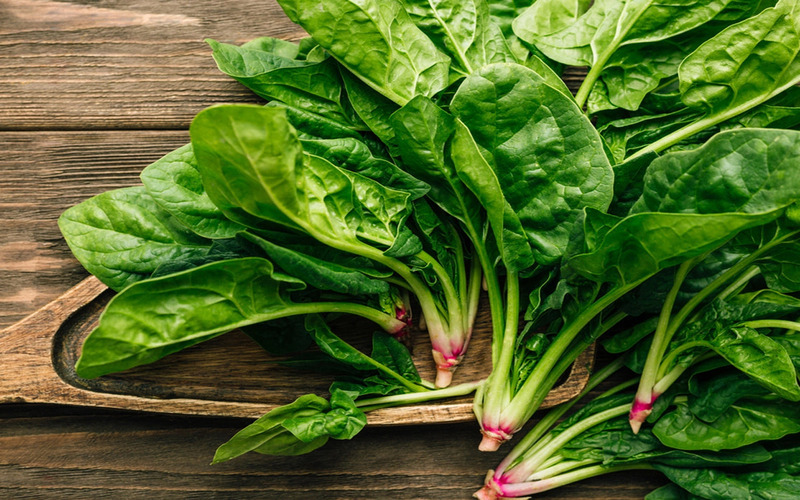
17.Spinach
Spinach is known as a goitrogenic food. Goitrogens can interfere with the thyroid gland’s ability to produce thyroid hormones. Spinach contains substances that can inhibit the synthesis of thyroid hormones if it is consumed in large quantities and in raw form. Cooked spinach is harmless for the patients.
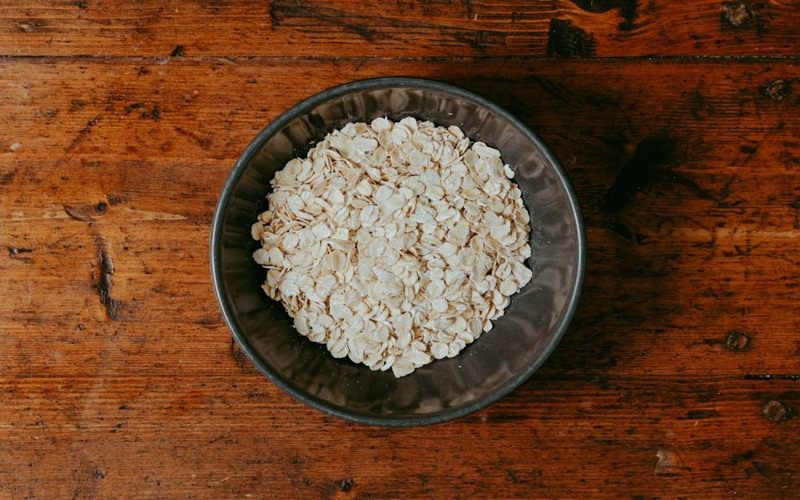
18.Oats
Oats are normally placed in the category of healthy food items but there are a few reasons why thyroid patients should choose to avoid or limit oats and the most important one is that it contains Goitrogens which is known to be a toxin for the thyroid patients. Therefore, one should either avoid or eliminate oats from their diet.
19.White Bread
White bread can be avoided by thyroid patients due to several reasons. White bread contains gluten, which can elevate autoimmune responses in individuals with conditions like Hashimoto’s thyroiditis. Extended, white bread contains refined flour, which increases blood sugar levels and can cause inflammation and pressure on the endocrine system, including the thyroid gland.

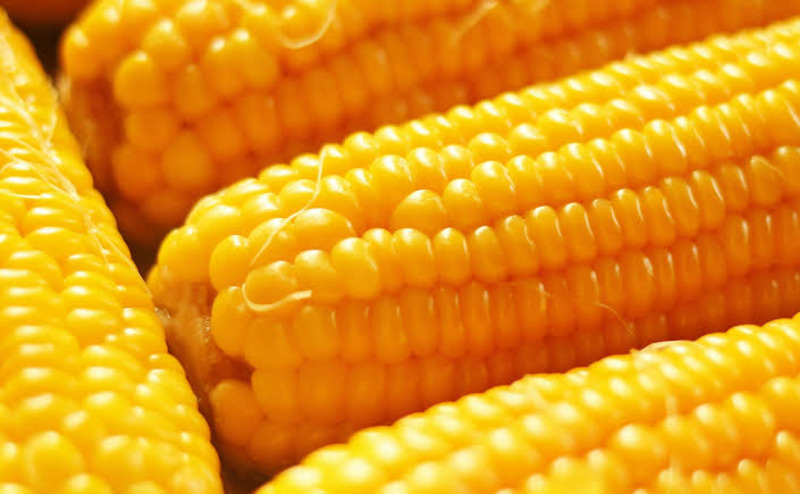
20.Corn
Corn should be avoided by thyroid patients due to several reasons. Firstly, corn contains goitrogen, that interferes with thyroid hormone production by disrupting iodine uptake, which is essential for thyroid function. Corn is a high-glycaemic food that increases the level of blood sugar, eventually leading to inflammation. It contains proteins that can trigger inflammatory responses and accelerate autoimmune symptoms.