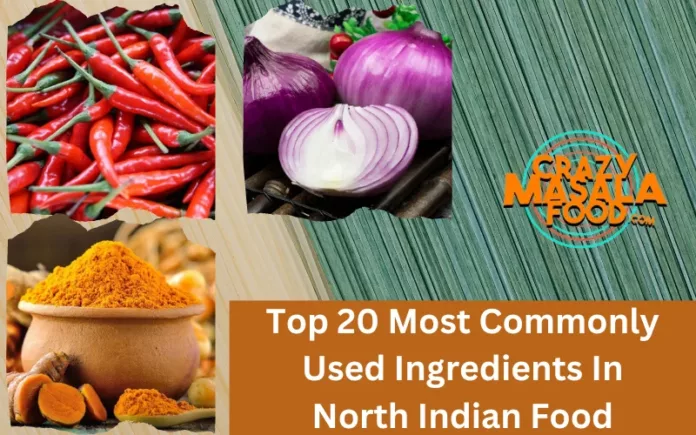
North Indian cuisine is known all over the country and the world for its nutritious vegetables. North India has rich and diverse flavors that vary from region to region yet give a nostalgic feel to the heart. Sweets, savory dishes, vegetarian delights, gravies, and street food are all a part of North Indian culture. Dishes like Chhole Bhature, Rajma Chawal, and Butter Chicken are even famous abroad, which leads us to wonder what ingredients are added to these heavenly concoctions.
1.Rice
Rice is one of the most popular ingredients in North Indian food culture. The people eat rice not only with gravies, curries and, daal (lentils) but also with dry vegetables. It is a significant source of carbohydrates, protein, and Vitamin B6 for people and is an important staple.

2.Wheat Flour
Wheat flour or Atta is used to make chapatis, another staple in North Indian cuisine. They are eaten with various vegetables and are another primary source of carbohydrates, protein, and healthy fats. Different types of bread- Naan, Rumali Roti, and others are made with this ingredient.

3.Potato
Potato is the hidden gem in North Indian Cuisine and can be found in all sorts of dishes, from yummy Aloo Parathas to nutritious Aloo Gobi. It is a rich source of Carbohydrates and Vitamin B1 and is full of water. Potatoes are abundant in the fertile areas of Punjab and Haryana and are, thus, found in abundance.

4.Tomato
Tomatoes, whether eaten raw in salads or cooked with yummy vegetables, have a lot of nutritional value, including high amounts of Vitamin C, K1, Potassium, and fiber. It helps with immunity, better skin, and even heals damage from smoking. North Indians have found the perfect way to incorporate healthy ingredients in mouthwatering delicacies.

5.Onion
Onions are possibly the most used vegetable, alongside tomatoes, in North Indian cuisine. They’re eaten raw, in salads or to garnish rice or vegetables, and cooked in 99% of vegetables and are extremely important. It is an abundant source of vitamin C, vitamin B6, potassium, and dietary fiber. Cooked and caramelized onions taste incredibly fantastic in this cuisine.

6.Chickpeas
Chickpeas are possibly an underrated item in Western cuisine but take the crown in North Indian food culture. Rich in protein, fiber, and iron, the legume has endless health benefits, sometimes overlooked by its delicious and flavorless taste. Naturally, chickpeas are vital, considering they are the main star in Chhole Bhature, all of our favorite dishes.

7.Rajma Or Kidney Beans
Another extremely famous North Indian dish is Rajma chawal. Everyone’s comfort food is a staple Sunday lunch in most households. Not only are they a delectable weekly treat, but they are also rich in Carbohydrates, protein, fiber, and healthy sugar. Rajma from Kashmir is especially famous in the country for its unnatural redness and tempting flavor.

8.Dahi Or Yogurt
Dahi Or Yogurt is used in North Indian kitchens as an essential side dish that helps digest the food and is a crucial source of protein and healthy sugar. It is either served on the side as flavourful and spicy raita or used to marinate chicken or cook some unique dishes. Dahi-based chaat, dahi Bhalla, and other street foods are an integral part of this culture.

9.Lentils Or Daal
Lentils or daal are another staple in North Indian cuisine and are a form of comfort food. Easy to make and high in nutritional value, daal is a favorite. It is high in protein, carbohydrates, magnesium, iron, Vitamin B6, and copper, making it another easy-to-make, healthy item in the kitchen. From buttery daal makhani and daal baati choorma to daal with khichdi, it is the perfect pantry item through and through.

10.Ghee
Ghee is a necessary part of North Indian cooking and has become popular in the country for its medicinal values, health benefits, and purity. It is a type of clarified butter made by extracting butterfat from dairy. Most Indian households use it as a luxury against cooking oil or butter to add flavor and richness to the food. Though it is next to 100% fat, like most cooking oils, it is considered healthier as it helps control bad cholesterol and strengthens the heart and immune system.

11.Garam Masala
Garam Masala is an Indian blend of spices in all dishes and vegetables. It is a concoction of varying spices and can be made at home, but the most common herbs used are cinnamon, pepper, cardamom, mustard seeds, coriander seeds, nutmeg, and cloves. Garam masala is the secret ingredient that adds the kick to North Indian food that makes it so unique.

12.Haldi
Turmeric or Haldi is another popular spice used in most Indian dishes for its bright yellow color and immense health benefits. It is even used as medicine and mixed with warm milk for better health and the immune system. It helps strengthen bones, reduce inflammation, treat muscle soreness, and sometimes lower anxiety levels.

13.Ginger
Ginger, known as Adrak, is one of the most widely used ingredients in Indian Chai for its unique flavor and properties that heal a sore throat. Ginger is loaded with medicinal properties, which is why it is so famous. It helps treat nausea and improve digestion leaving a memorable taste in the mouth and a satisfied stomach.

14.Garlic
There are probably only a handful of North Indian dishes where garlic doesn’t play a significant role. Garlic, usually used with ginger, is extraordinarily aromatic and adds an unforgettable flavor to your food, though it may leave a pungent-smelling mouth behind. Garlic helps with a common cold, reducing high blood pressure and cholesterol.

15.Limes And Lemon
North Indian food is known for its diverse flavors, spiciness, and tanginess, which is added by using an adequate amount of lemon and lime in each vegetable. It adds just the right kick to the dish and leaves you craving more. It is especially used in street food like paani puri and chaat. Lemons are rich in Vitamin C and may help in reducing weight and removing the risk of digestive problems and even cancer.

16.Red And Green Chili
We can not talk about North Indian food and not include chili in the list. Red and green chilis add just the right amount of spice to our already flavourful dishes. People not only add them to their food but also eat them raw as a salad. It is rightly said that Indians make the top of the list in spicy food and levels of spice tolerance. It is also a rich source of vitamin A and vitamin C

17.Coriander Leaves
Coriander Leaves, or Cilantro, is an example of fresh herbs in Indian cuisine. It is not only widely used as a garnish on top of vegetables and curries for its beautifully colored leaves but is also chopped and added to the vegetables for a herbal and fresh taste. It helps decrease blood sugar and blood pressure and can be an antioxidant.

18.Menthe
Menthe or fenugreek is generally fried beforehand to improve the color and reduce the strong taste of the crushed seeds. The scent and taste of fenugreek make it extremely special, and it is predominantly used in North Indian curries to add a classic flavor and smell to it.

19.Jeera
Jeera or cumin is another vital spice/seed used extensively for its aroma and taste. It is usually fried in ghee beforehand to improve its like and fragrance. It helps as an antioxidant and prevents diseases like cancer, heart problems, and high blood pressure. It is especially paired with mustard seeds for a better aroma and taste experience.

20.Kaali Mirch
Kaali mirch or pepper is a vital spice alongside salt, used widely in North India to add flavor and spice to the dish and as an essential marinade. It is used to marinate different types of meats, fish, and vegetables and is even added to Dahi for its health benefits. It helps prevent cancer, improves digestion and constipation, aids weight loss, and is also suitable for your hair and your skin.