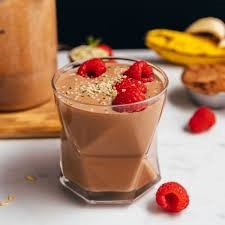
Protein should make up the bulk of a muscle-repair diet. Protein is the building block of muscle, so it stands to reason that consuming more of it before and after a workout will promote muscle growth and repair and speed up recovery. Muscle discomfort, exercise-induced muscle injury, and recovery time can all be aided by various rehabilitation measures. The 20 top foods and beverages for muscle rehabilitation are discussed in this article.
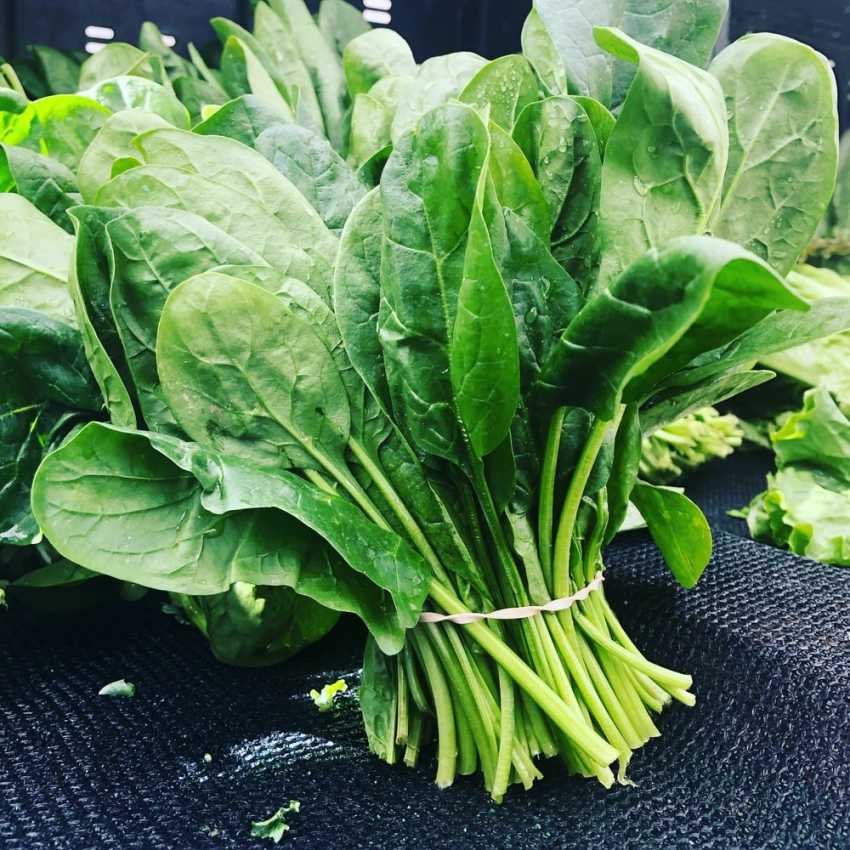
1. Spinach
Nutritional powerhouses like spinach and other cruciferous vegetables like broccoli are rich in anti-inflammatory elements like vitamins B, C, and A. You may easily add it to your post-workout protein drink, which will not affect the taste.
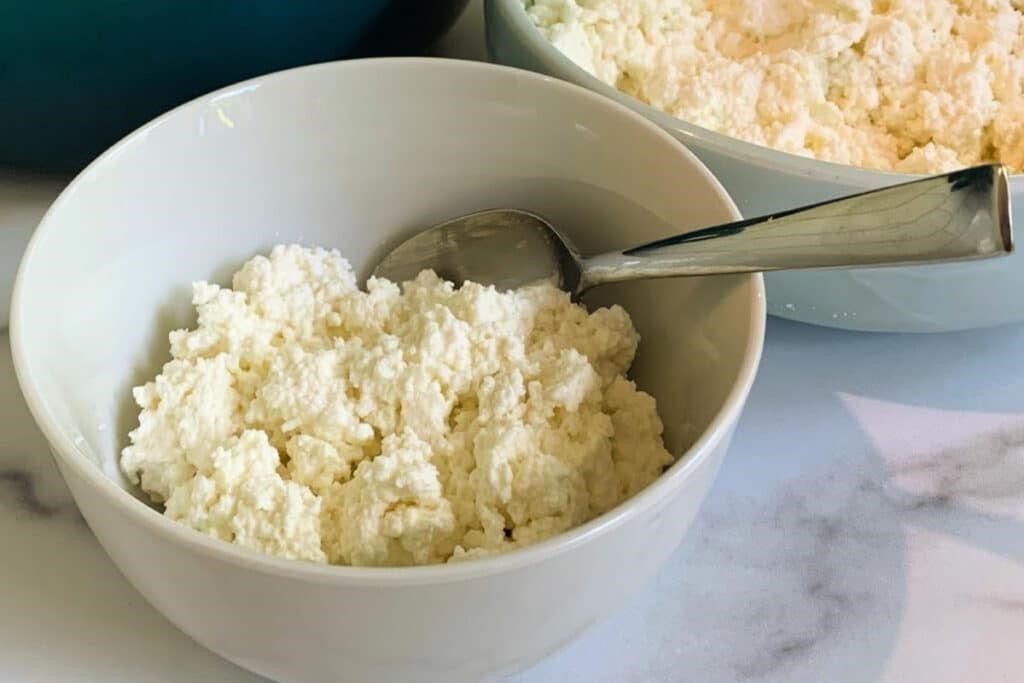
2. Cottage Cheese
In addition to being a great source of whey and casein protein, cottage cheese is also a good source of calcium. Because of this, cottage cheese is an excellent pre-or post-workout snack. Serve it with whole grain bread or fresh fruit for a healthy breakfast.
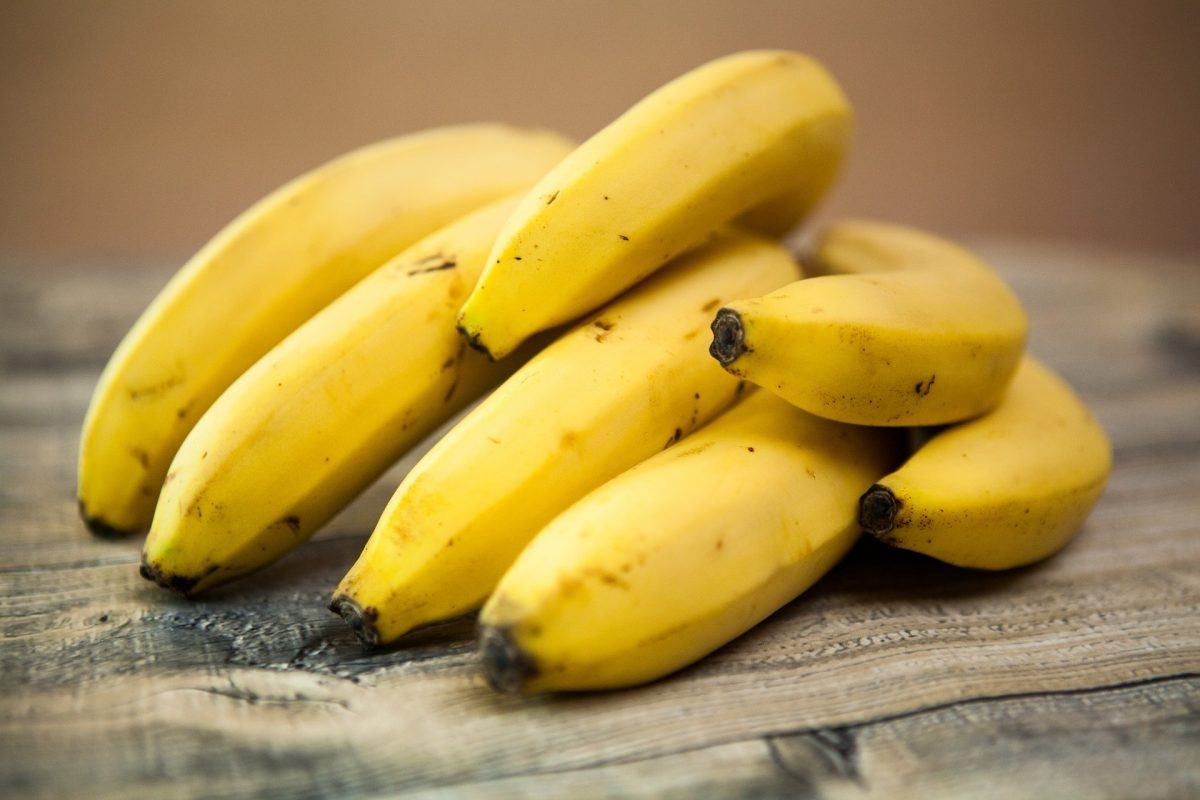
3. Bananas
Not only are bananas convenient to carry around, but they are also packed with carbs and potassium, two nutrients that are very beneficial to muscle recovery following workouts. With their high carbohydrate content, bananas help replenish the electrolytes lost during exercise, such as potassium.
4. Watermelon
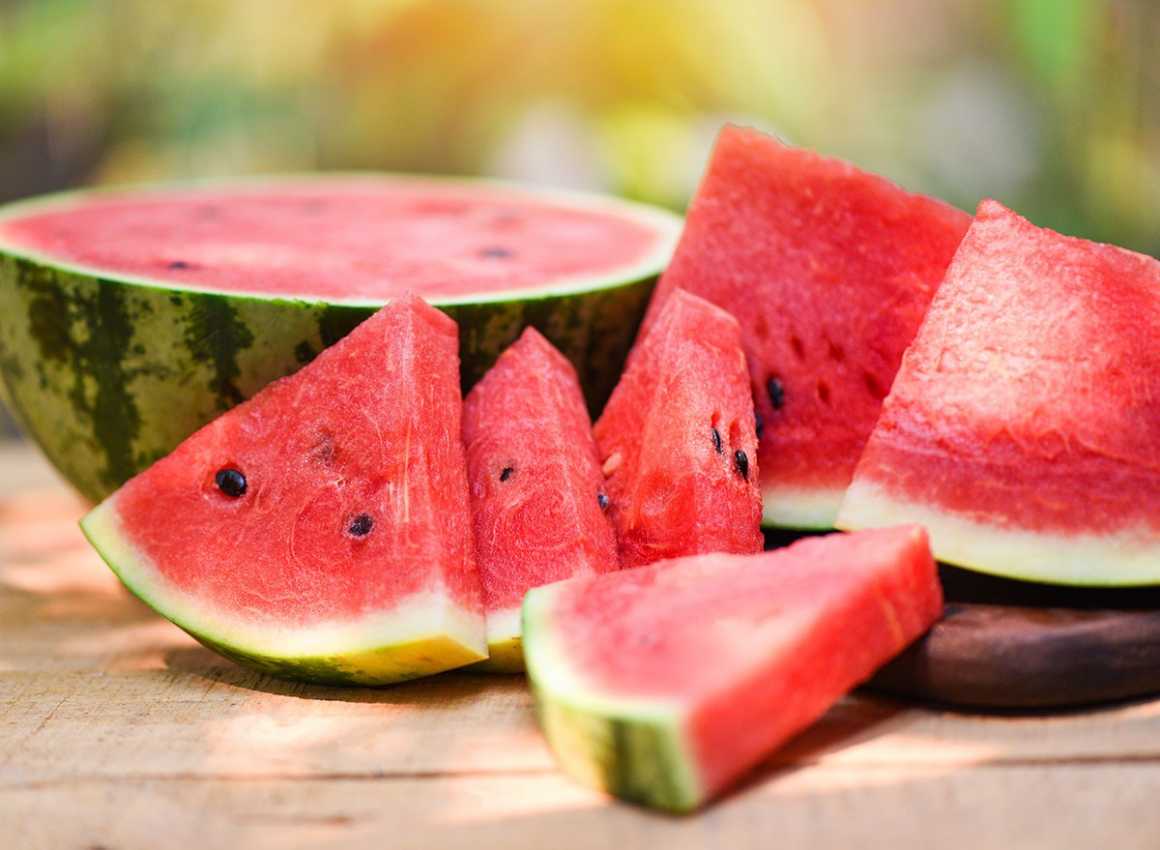
The cooling properties of watermelon make it an excellent recovery food for tired muscles. With its high water content and plenty of vitamins C, A, potassium, and magnesium, watermelon is an excellent choice for anyone looking to relieve muscle pain, stress, or cramping? Watermelon’s high vitamin C concentration can also aid in alleviating muscle inflammation.
5. Salmon
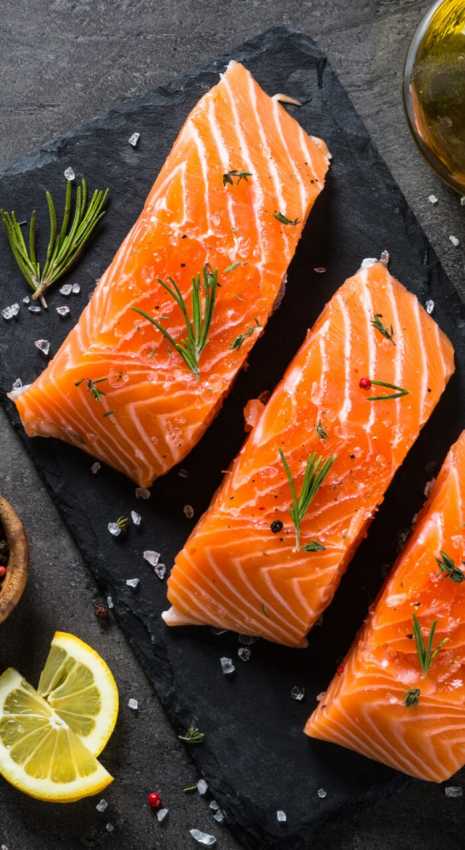
Omega-3 fatty acids, which reduce inflammation, are found in salmon and are rich in lean protein, which is essential for repairing and constructing muscle. Prepare some salmon for lunch or dinner if you exercise in the morning or late in the day. To ensure optimal recovery and strength, eat protein within 45 minutes of your workout.
6. Nuts
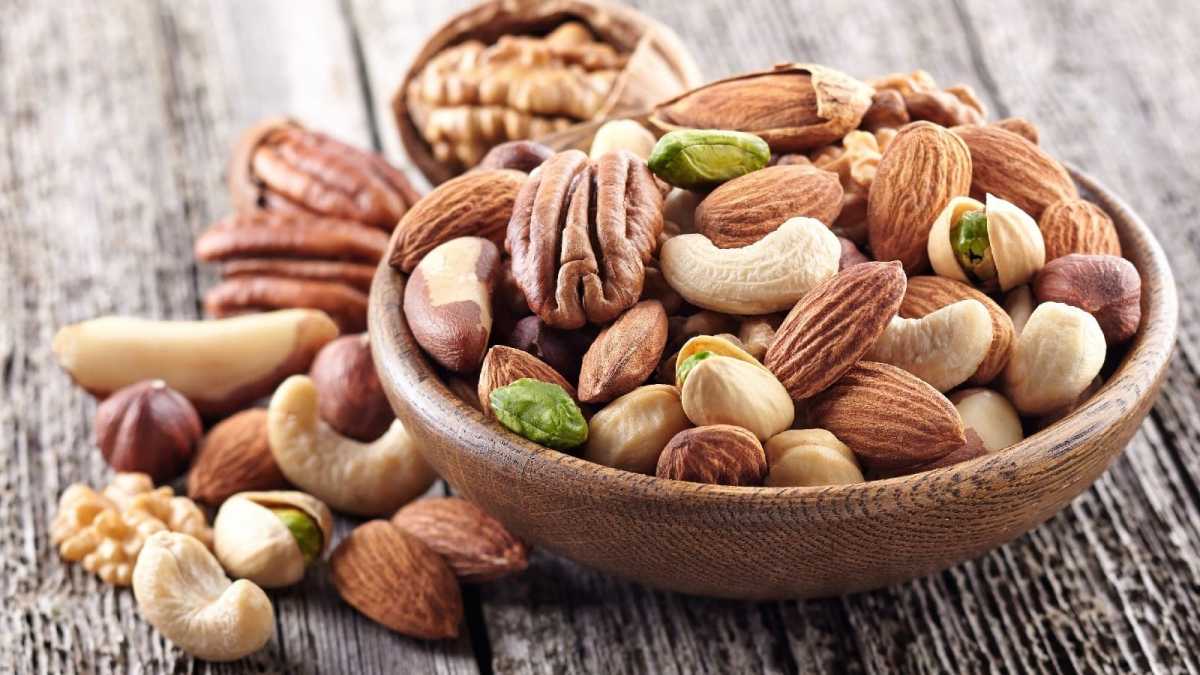
Nuts are packed with vital nutrients and trace elements. Numerous nut and seed kinds are excellent providers of omega-3 fatty acids, which help to reduce inflammation and promote the health of the bones and joints. They also include a lot of protein necessary for repairing damaged muscles. You can get protein, fiber, and healthy fats from a handful of almonds after doing out.
7. Quinoa
The plant-based protein content is high. It’s gluten-free and packed with nutrients. Because of its low glycemic index, quinoa is a good choice for people with diabetes. High in fiber, quinoa is an excellent addition to any diet to decrease body fat.

8. Green Tea
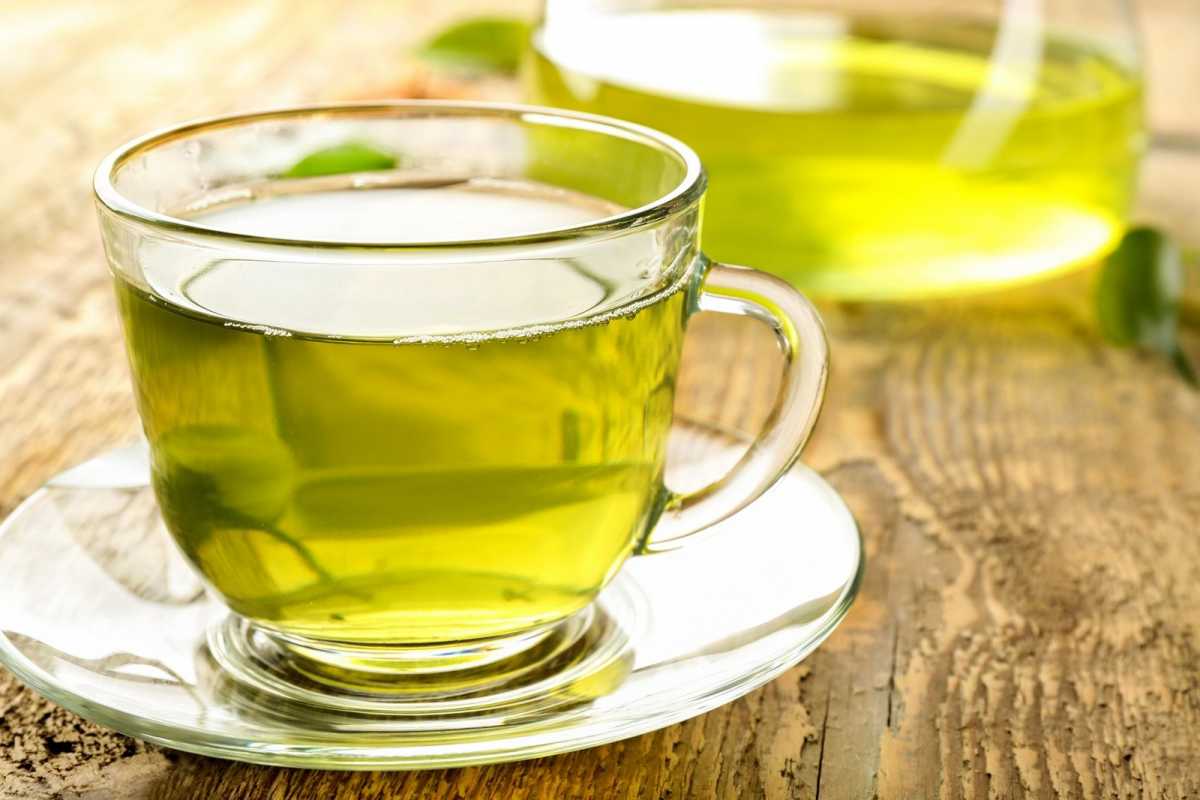
Anti-inflammatory antioxidants are plentiful in green tea, making it a great choice as a pre-or post-workout beverage for protecting against exercise-induced muscle and cell damage. “It helps athletes stay hydrated, which is important for both their performance and their recovery.”
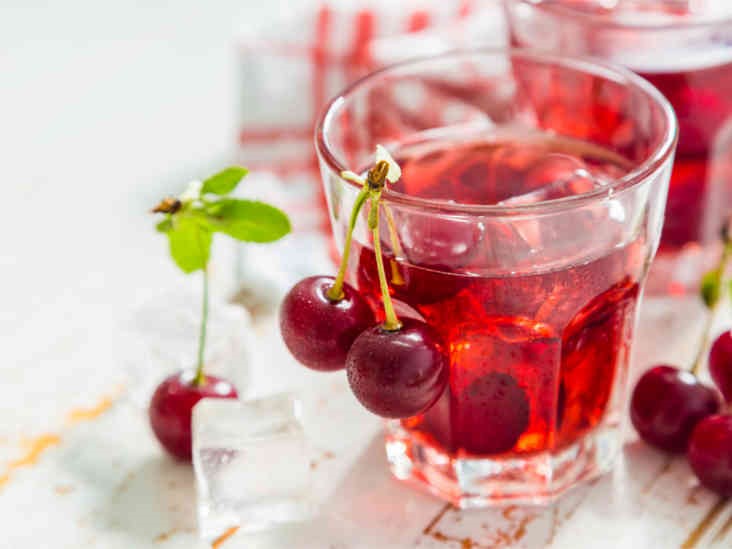
9. Tart Cherry Juice
Expert athletes and gym newbie’s may reap benefits from consuming tart cherry juice. There is evidence that drinking tart cherry juice or taking an extract of tart cherry juice will aid muscle rehabilitation and reduce the severity of DOMS. Anthocyanins, found in plants, are abundant in tart cherry juice. Due to their potent anti-inflammatory and antioxidant capabilities, they may lessen exercise-related muscle discomfort and damage.
10. Pomegranate Juice
Polyphones, found in abundance in pomegranate juice, are known to have beneficial effects against inflammation and free radical damage. Therefore, consuming pomegranate juice may aid in the repair of damaged muscles. Compared to a placebo, pomegranate juice improved antioxidant defences and decreased malondialdehyde (MDA) production, a sign of oxidative stress. This suggests the beverage may aid with muscle repair.

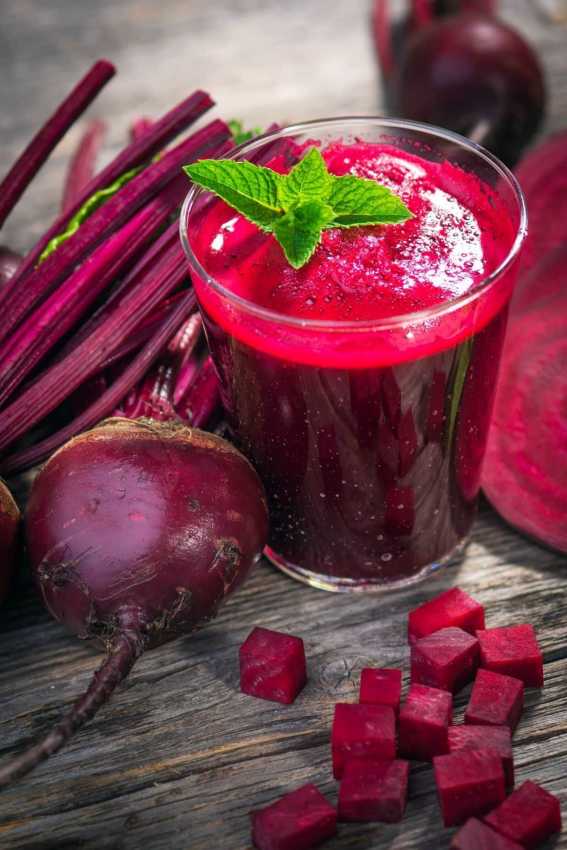
11. Beet Juice
Both betalains and dietary nitrates can be found in abundance in beets. Nitrates in the diet may boost mitochondrial function, the cellular organelle responsible for generating the ATP that powers your cells, increasing oxygen delivery to your muscles. At the same time, betalains may mitigate swelling and free radical damage.
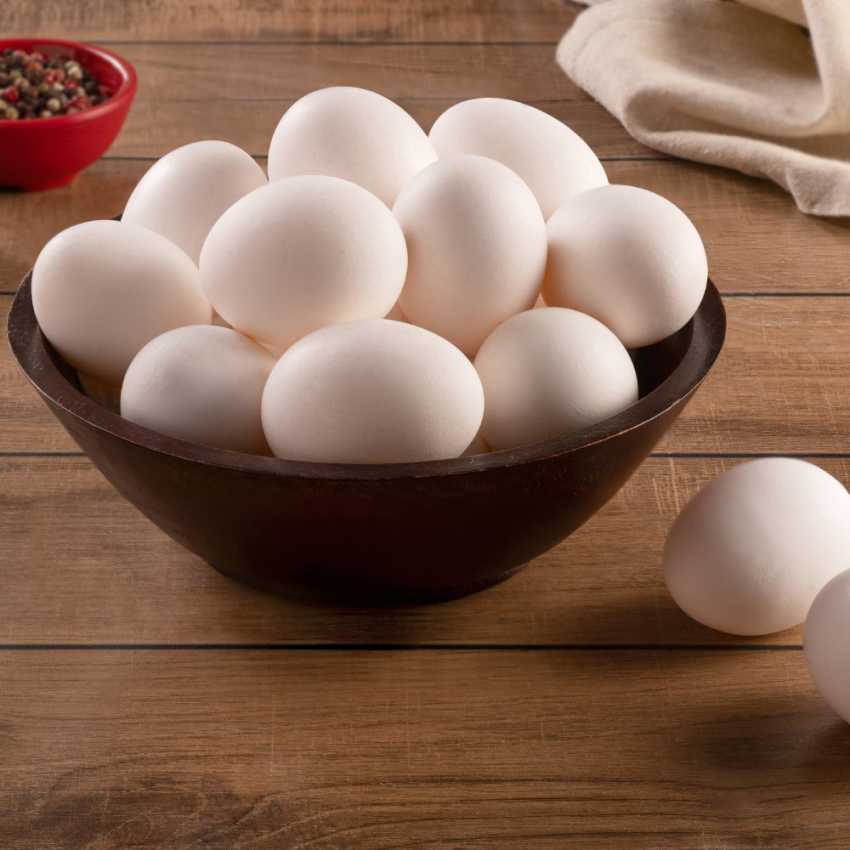
12. Eggs
Eggs have high bioavailable protein content, making them a popular choice among athletes looking to increase their performance. Consuming them post-workout has been shown to hasten muscle repair. According to the study’s authors, the vitamins and minerals may speed up protein synthesis in muscles and fatty acids found in the egg’s nutrient-rich yolk.
13. Herbal Tea
It could be due to the phenol antioxidants in the Ilex paraguariensis shrub’s leaves, where mate is harvested. It has been suggested that consuming yerba mate before exercise can increase energy levels due to the presence of natural stimulants in the beverage.

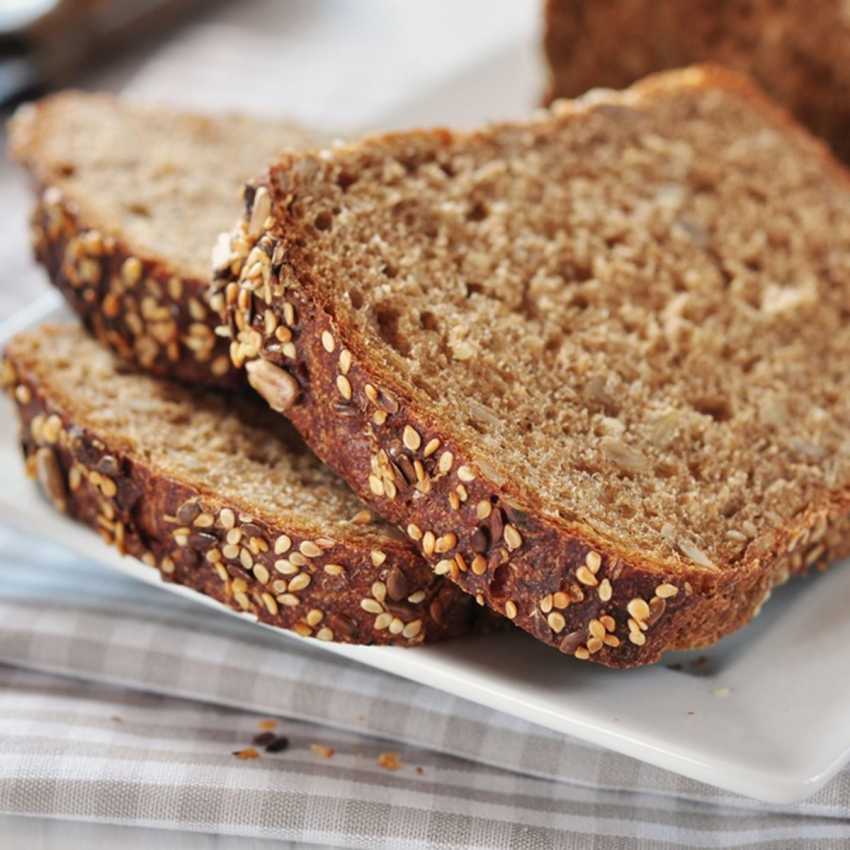
14. Whole-Grain Bread
Carbohydrates are often maligned but are essential for sustaining muscular contractions during exercise (not to mention your brain). Whole-grain bread and other high-quality carbohydrate sources can do wonders to replenish your muscle glycogen stores.
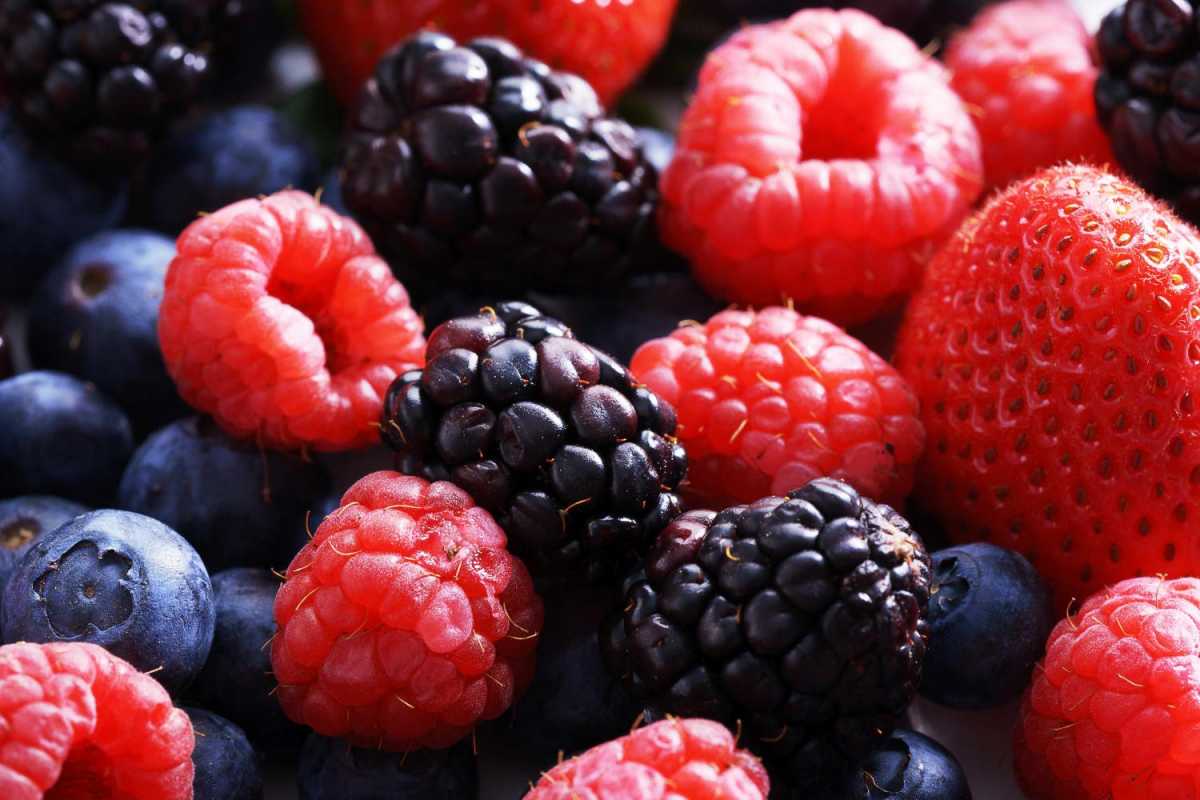
15. Blueberries or Raspberries
Blueberries have the most significant antioxidants, which aid muscle recovery after exercise, but other fruits have them. Carbohydrates and sirtuins are abundant in these berries, and sirtuins help regulate many cellular and organism activities, including apoptosis, inflammation, metabolism, longevity, and recovery.
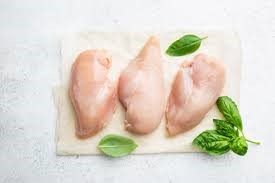
16. Chicken
Fish, beans, and boneless, skinless fowl are all examples of lean proteins that provide all the protein’s health and muscle-repair advantages with fewer calories and less saturated fat than red meats like beef or hog. Fish and chicken are excellent sources of leucine, isoleucine, and valine, three of the most crucial amino acids for muscle growth and repair.
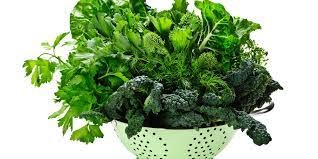
17. Dark Leafy Greens
Greens are essential to every athlete’s diet because of the vitamins and minerals they contain. In particular, the calcium and iron found in dark greens can boost your performance. In addition to assisting in muscle repair and bone strength, calcium contributes to metabolic regulation and energy consumption.
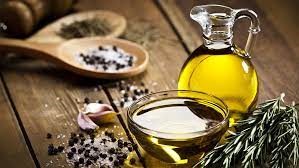
18. Oils
The belief that limiting the intake of oils can improve health and facilitate weight loss is unfounded. It is critically dependent on the oils you consume. Oils are a great source of nutrients, including the monounsaturated fats crucial to your body and muscle regeneration.
19. Coffee
Coffee consumption before or after exercise may mitigate delayed onset muscle soreness. Caffeine in coffee does this by blocking adenosine receptors. An injury triggers the release of a molecule called adenosine. It causes your body to release chemicals that cause discomfort. Another 2019 study indicated that consuming coffee 24 and 48 hours after intensive exercise facilitated muscular power recovery and decreased DOMS in both men and women compared to a placebo.

20. Protein Shakes
Protein may also help muscles recover faster after weight training. Although protein did not alleviate delayed onset muscle soreness (DOMS), it dramatically reduced signs of muscle damage compared to a control. Not all studies, nevertheless, support this idea. Research has shown that whey protein may not help with muscle repair after exercise. Therefore, more study is required to evaluate whether whey protein supplementation post-exercise could aid muscle repair. Muscle growth and protein intake can be improved with protein drinks; therefore, they may be worthwhile.